Early Intervention
Timely treatment and support to prevent injury escalation
- Early discomfort
- Claim escalation
- Lost time
Programs that cut strains, sprains and Workers' Compensation claims, delivered by our clinicians on your site and on your shifts.
A workplace injury prevention program finds the tasks most likely to hurt your workers and fixes them before anyone is injured. EMP Onsite's programs combine onsite clinical care, task redesign, conditioning and wearable technology, and report the results in claims and lost days.
Programs suit large physical workforces where strains and sprains drive claims: warehouses and distribution centres, transport fleets, council outdoor teams, manufacturing plants and emergency services.
Injury prevention in the workplace works best in this order: fix the work first, then support the worker. Every EMP program is built on these steps.
Start with your claims and incident data, then observe those tasks as they happen. Most strains and sprains come from a small number of heavy, awkward or repetitive tasks.
WHS laws require you to eliminate a risk where you reasonably can, and otherwise minimise it. Removing a lift, cutting its weight or changing the work flow controls the risk for everyone who does the task.
Where a task has to stay, mechanical aids, adjustable benches and better storage heights cut the force, reach and bending it takes.
Make it easy for workers to report discomfort and get it assessed the same day, so a minor strain is managed at work instead of becoming a lost time injury.
Conditioning built from the demands of each role gives workers the strength and endurance for the lifts, pushes and carries their job still involves.
Training supports the other controls but can't replace them, because it relies on people doing the right thing every time. Coaching during real tasks works better than classroom lifting technique.
Track injuries, claims and task risk over time, and change what isn't working. Your lost time injury frequency rate shows whether the program is moving the numbers.
How EMP puts those strategies to work on your site, weighted to the risks in your claims data.
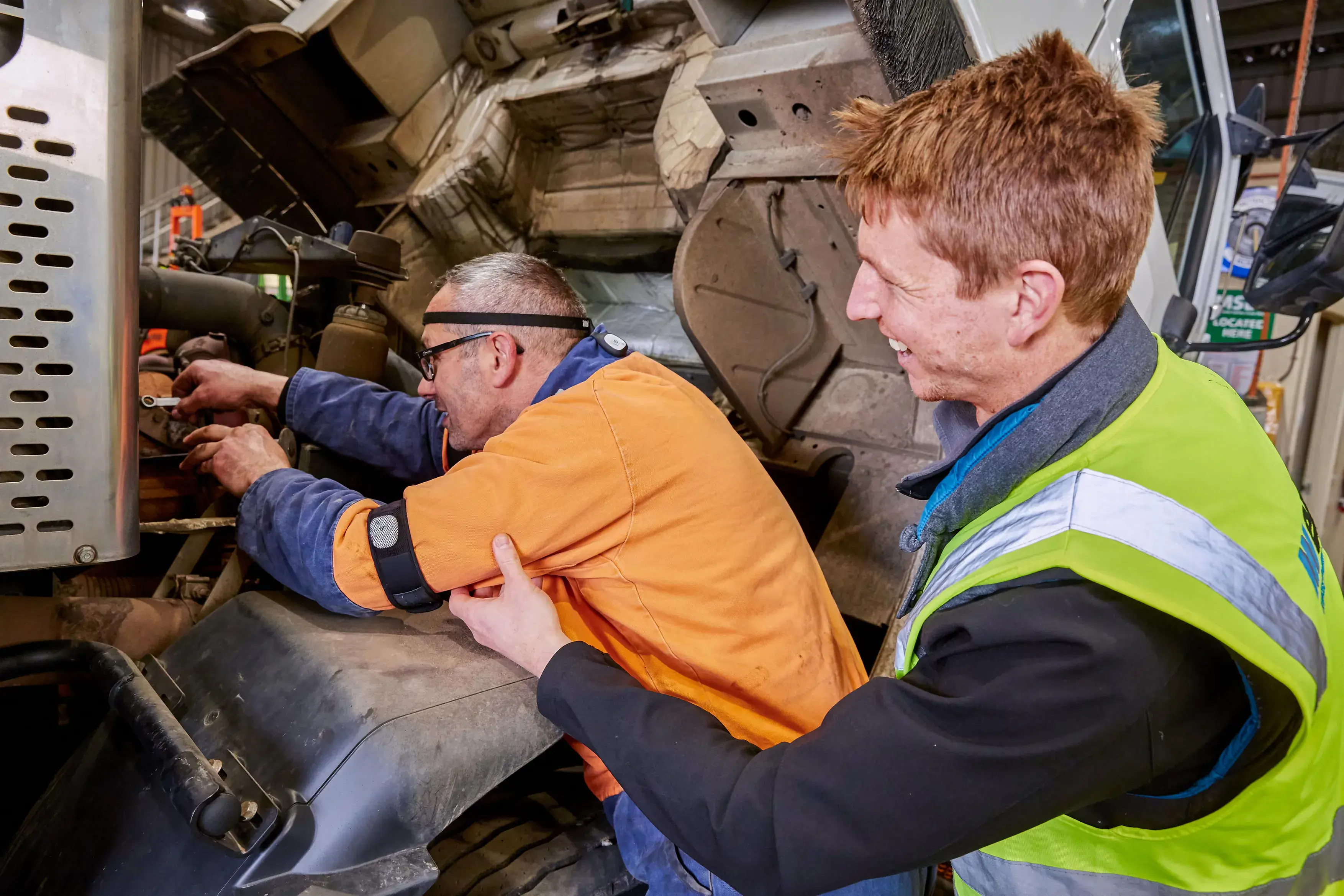
Our clinicians work on your site during your shifts, managing strains on the day they start and coaching workers on the tasks that carry the most risk.
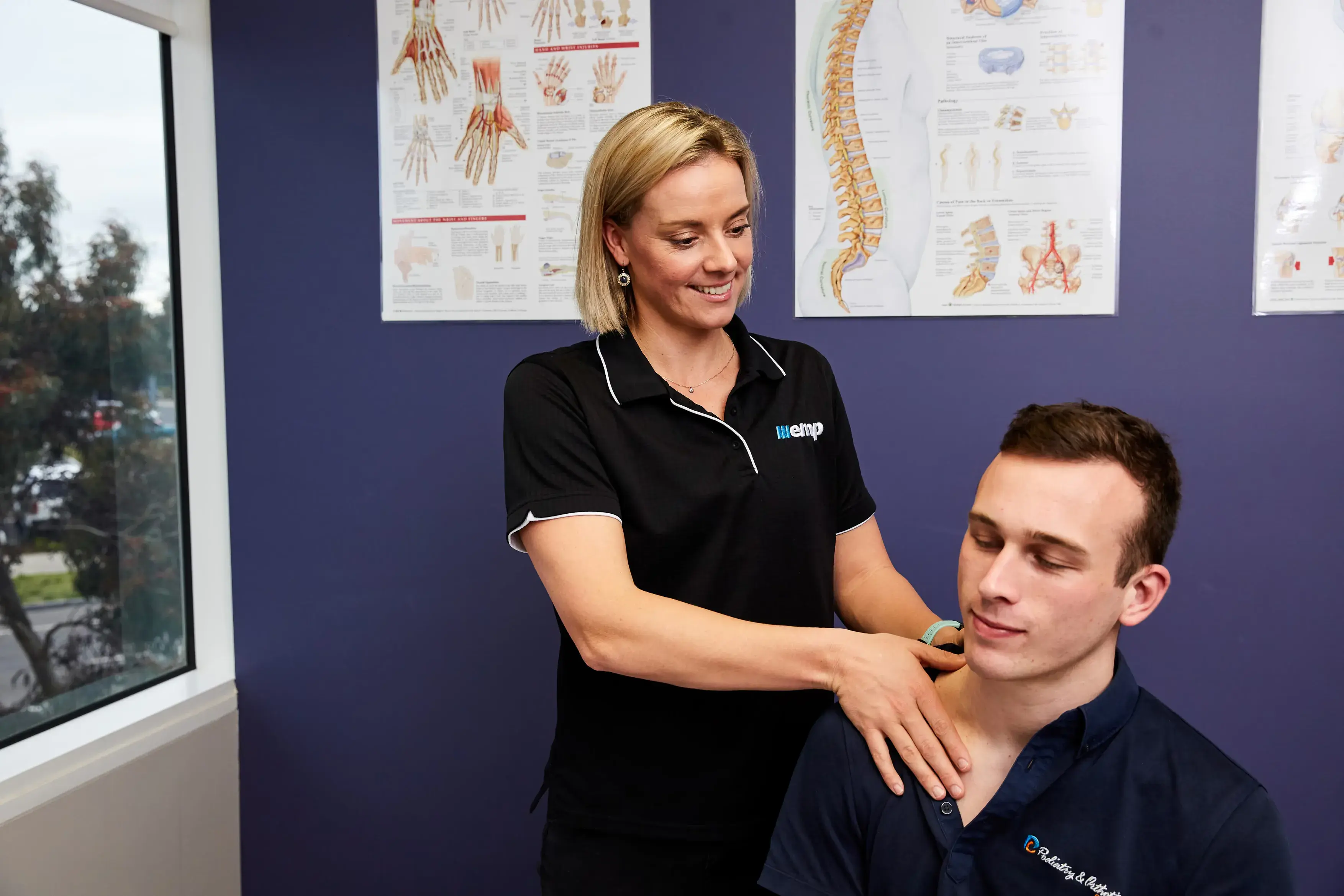
Workers who report early discomfort are assessed and treated on site, so minor strains are managed at work instead of becoming lost time claims. At StarTrack, workers were treated within 24 hours of symptoms starting.
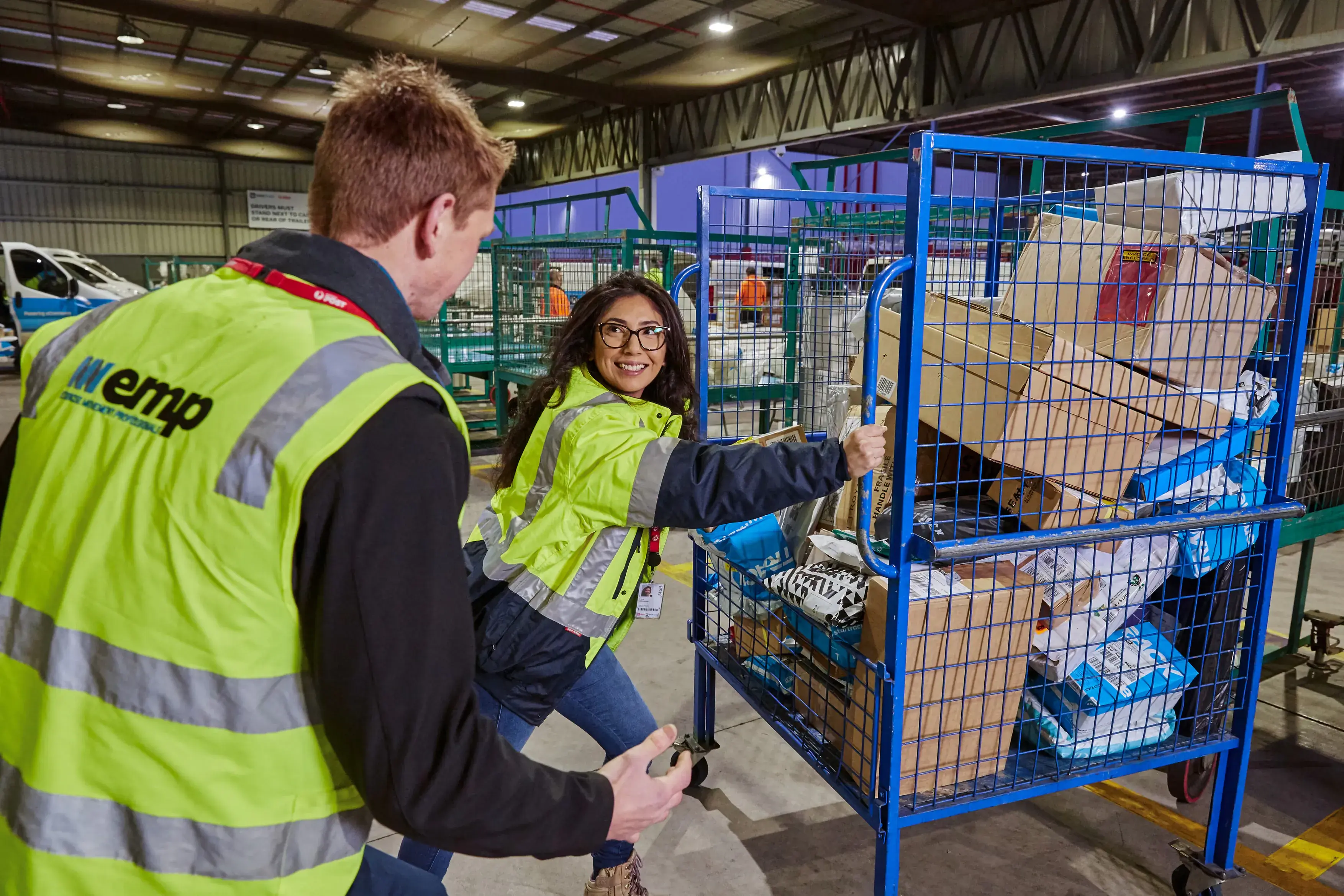
We assess hazardous manual tasks and work with your teams to change the task, tools or layout, which removes risk that training alone can't.
Strength and conditioning programs are built from the physical demands of each role, so workers have the capacity for the lifts, pushes and carries their job involves.
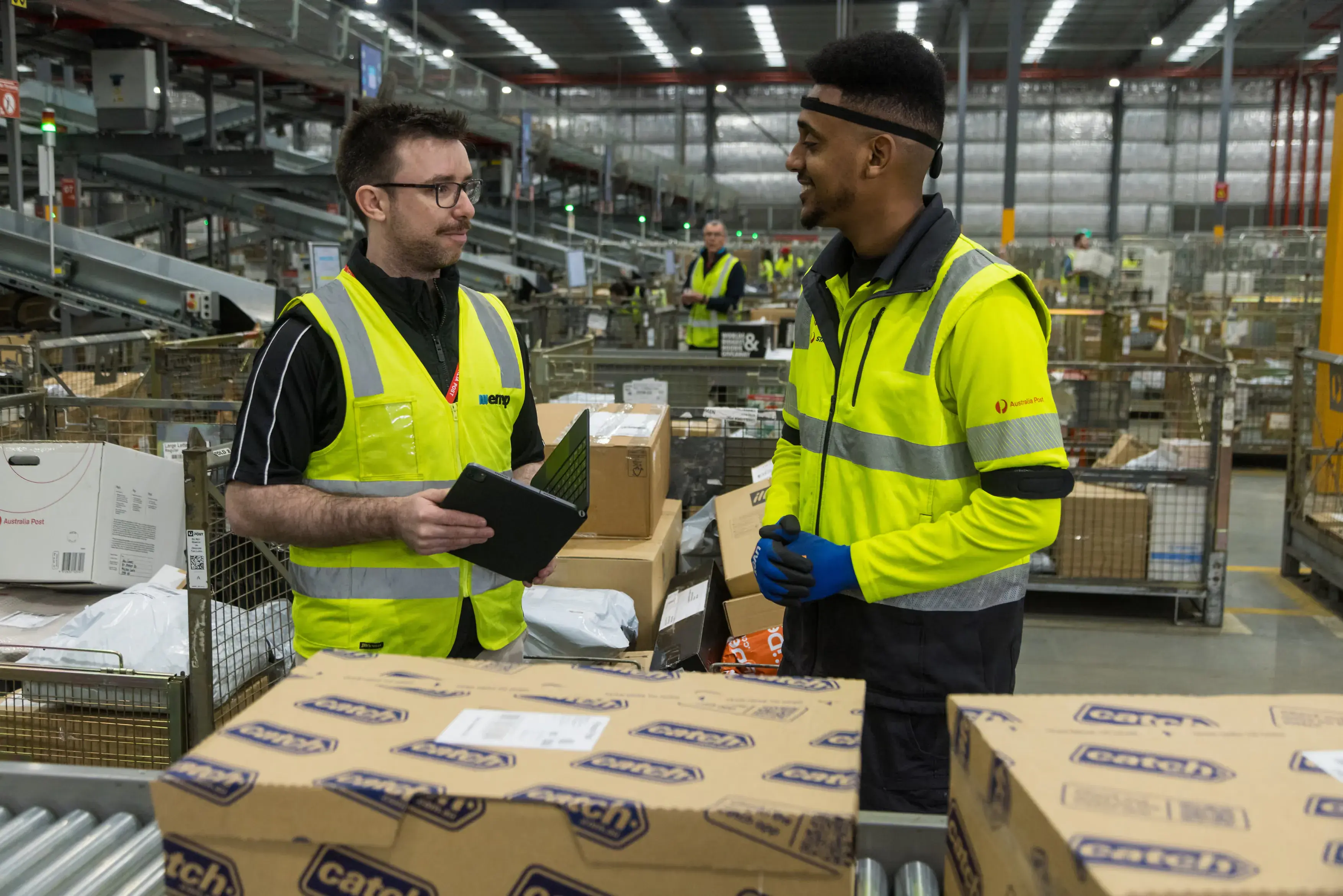
Motion sensors measure how workers move and load their bodies during real tasks, showing which lifts and postures carry the most risk. At StarTrack, body stress claims fell 57% within 12 months of wearables.
Injuries, task risk, participation and claims are reported in the EMP Dashboard, so you can see the program working in your own numbers.
From first meeting to quarterly review, every program follows the same four steps.
We review your claims and injury data with your safety and operations teams, visit your sites, and agree the measures the program will be judged on.
Using task observation, wearable sensors and AI-assisted task risk analysis, we identify the tasks and roles behind your injuries and rank them by risk.
Our clinicians start on your site, typically within 4 to 6 weeks of agreeing scope. They manage early strains, coach on high-risk tasks, run conditioning, and work with supervisors on task redesign.
Results are tracked in the EMP Dashboard and reviewed with you each quarter. The program changes as your operation, seasons and risks change.
Work out your lost time injury frequency rate per million hours worked, free and in your browser.
Three years of onsite injury prevention and early treatment at StarTrack's Queensland and NSW depots.
36%
Fewer injuries
43%
Fewer medically treated injuries
$2.5M+
Saved in direct costs and Workers' Compensation premiums
3.5:1
Conservative return on investment across the program
Read the case studyThe same approach, adapted to the work and risks of each industry.
StarTrack cut injuries by 36% across its Queensland and NSW depots while freight volumes grew 25%.
Linfox cut strain injuries by more than 30% and lifted depot throughput by 8 to 10%.
Redland City Council's operational workforce reduced injury severity and reported strains earlier.
St John Ambulance cut task risk by an average of 46% and recorded injuries by 25%.
Qube Ports cut risk by 80% on its highest-risk task at its Melbourne docks.
Clinicians who are our own, delivery on your site, and results measured in claims and costs.
Estimate what workplace injuries cost you each year, including the lost time and admin that never show up on the claim.
Start with a no-risk 90-day pilot. We'll tailor a program to your workplace, agree success measures up front, and show you how to reduce risk, lower claims costs, and build a stronger, safer workforce.
A workplace injury prevention program is a planned set of measures that reduces the risk of workers being injured. It starts by finding the tasks and roles behind your injuries, then controls the risk through task redesign, conditioning, coaching and early treatment, and measures whether injuries and claims fall.
An effective program goes further than training. Safety regulators recommend redesigning hazardous manual tasks over relying on lifting technique training alone.
Programs typically include onsite clinical care, early intervention, manual task redesign, conditioning matched to job demands, wearable technology and reporting in the EMP Dashboard. AI-assisted task risk assessment and strength benchmarking can be added.
1. Use your claims and incident data to find the tasks and roles that cause the most injuries.
2. Redesign hazardous manual tasks to remove heavy, awkward or repetitive lifting where you can.
3. Provide mechanical aids, such as trolleys, hoists and adjustable benches, where a task can't be removed.
4. Treat strains and sprains early, on the day they start, before they need time off.
5. Build workers' strength and fitness for the real demands of their roles.
6. Coach safe ways of working on the job, during real tasks, not only in a classroom.
7. Encourage workers to report early discomfort, and make it easy to do.
8. Train supervisors to spot risky tasks and act on reports quickly.
9. Manage psychosocial risks, such as high workloads and poor support, which also drive physical injuries.
10. Measure injuries, claims and task risk, review them regularly, and change what isn't working.
Remove the hazard at its source. WHS laws require employers to eliminate risks so far as is reasonably practicable, and where they can't, to minimise them by working down the hierarchy of controls: substitute a safer option, isolate the hazard or use engineering controls, then administrative controls such as training, and personal protective equipment last.
Training and protective equipment are the least effective controls because they rely on people getting it right every time. For strains and sprains, the most common serious claims, that means redesigning heavy, awkward and repetitive tasks first, then building workers' capacity and treating discomfort early.
Onsite services are typically mobilised within 4–6 weeks of confirming scope and site requirements. Timelines vary with workforce size and complexity, and programs are designed to integrate smoothly with existing operations.
Results are measured through injury trends, risk exposure data, participation metrics, and productivity indicators. Reporting is consolidated in the EMP Dashboard to provide clear, ongoing visibility of outcomes.
Yes. EMP Onsite works alongside existing safety, HR, and Employee Assistance Programs, integrating with current platforms to ensure continuity of care and unified data visibility.
Clients typically achieve a 4:1 return on investment within the first year through reduced claims, improved productivity, and stronger workforce engagement.
Explore complementary programs from our Onsite Services range.
Timely treatment and support to prevent injury escalation
Expert treatment for musculoskeletal conditions
Leadership-led safe manual handling