Injury Prevention
Proactive strategies to reduce workplace injuries
- Musculoskeletal injuries
- Unsafe movement
- Claims costs
Physiotherapists on your site and on your shifts, treating strains the day they start so they don't become Workers' Compensation claims.
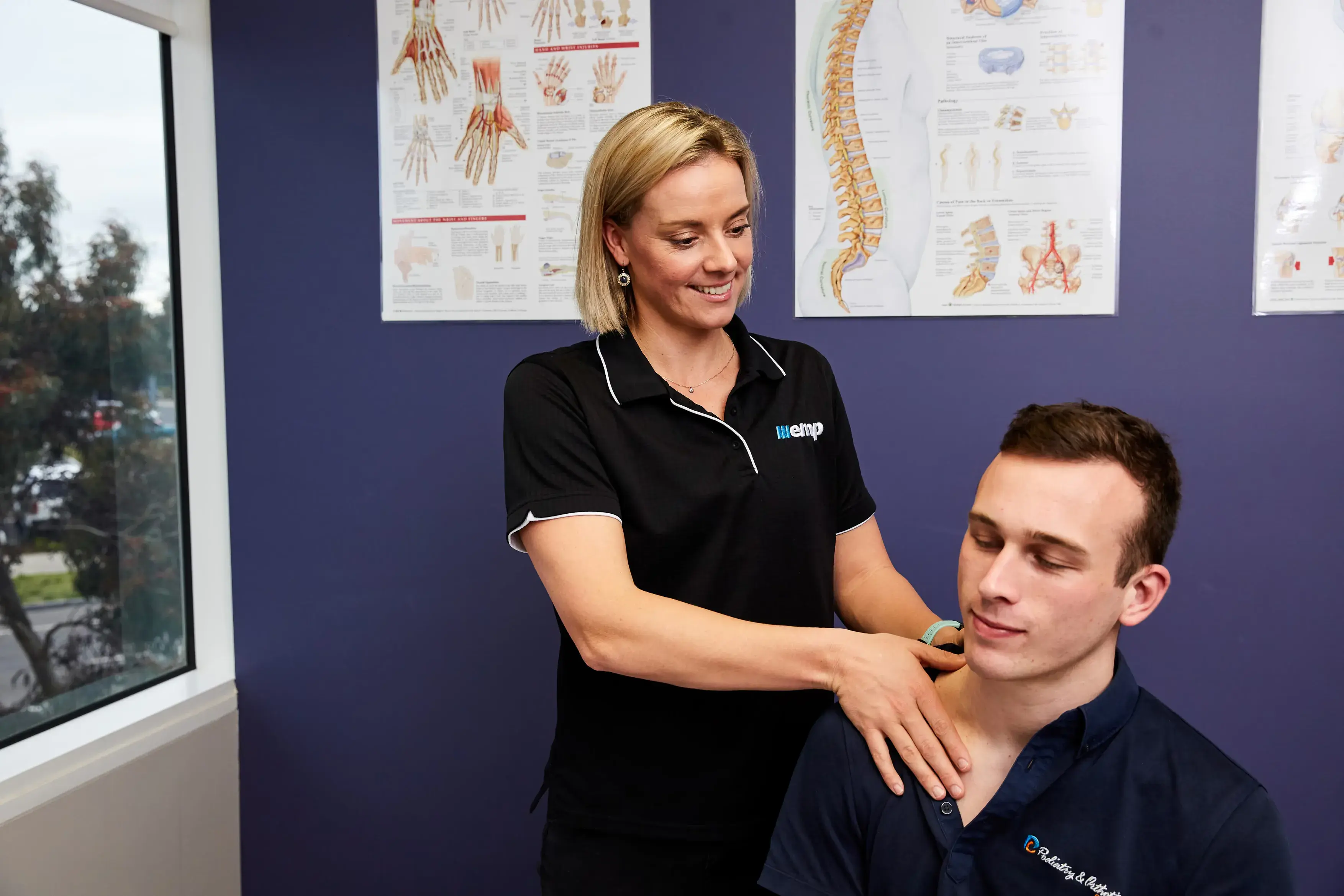
Onsite physiotherapy puts a physiotherapist in your workplace, so workers with pain or a minor strain are assessed and treated at work, often on the same shift. EMP Onsite provides workplace physiotherapy to warehouses, depots, plants and government sites in every Australian state and territory.
Treating early keeps minor injuries minor. Clients typically cut Workers' Compensation claims and premium costs by 35%, and most see a 4:1 return in the first year.
What happens from the moment a worker feels a twinge to the moment they're back on full duties.
We agree days and hours around your rosters and peak periods, from one session a week to full-time cover across several shifts. Physiotherapists work from a treatment room on site and spend time on the floor.
Workers book in themselves or are sent by a supervisor as soon as they feel pain or discomfort. They don't need a claim or a GP referral, so they come in while the problem is still small.
The physiotherapist assesses the problem and treats it on the spot with hands-on treatment, exercise and advice on the task that caused it. Most workers go straight back to work.
Each presentation is triaged: managed on site, managed with temporarily modified duties, or referred to a GP or specialist when it needs more than onsite care.
When a worker is injured, the physiotherapist works with supervisors and your return-to-work coordinator on suitable duties and a graded return, keeping recovery at work and claims short.
Treatment is the start. Because they're on your site every week, our physiotherapists also fix the tasks behind repeat injuries.
Same-day assessment and treatment for pain, stiffness and minor strains, before they turn into lost time.
Treatment, suitable duties plans and graded return to work for injured workers, coordinated with your insurer and return-to-work coordinator.
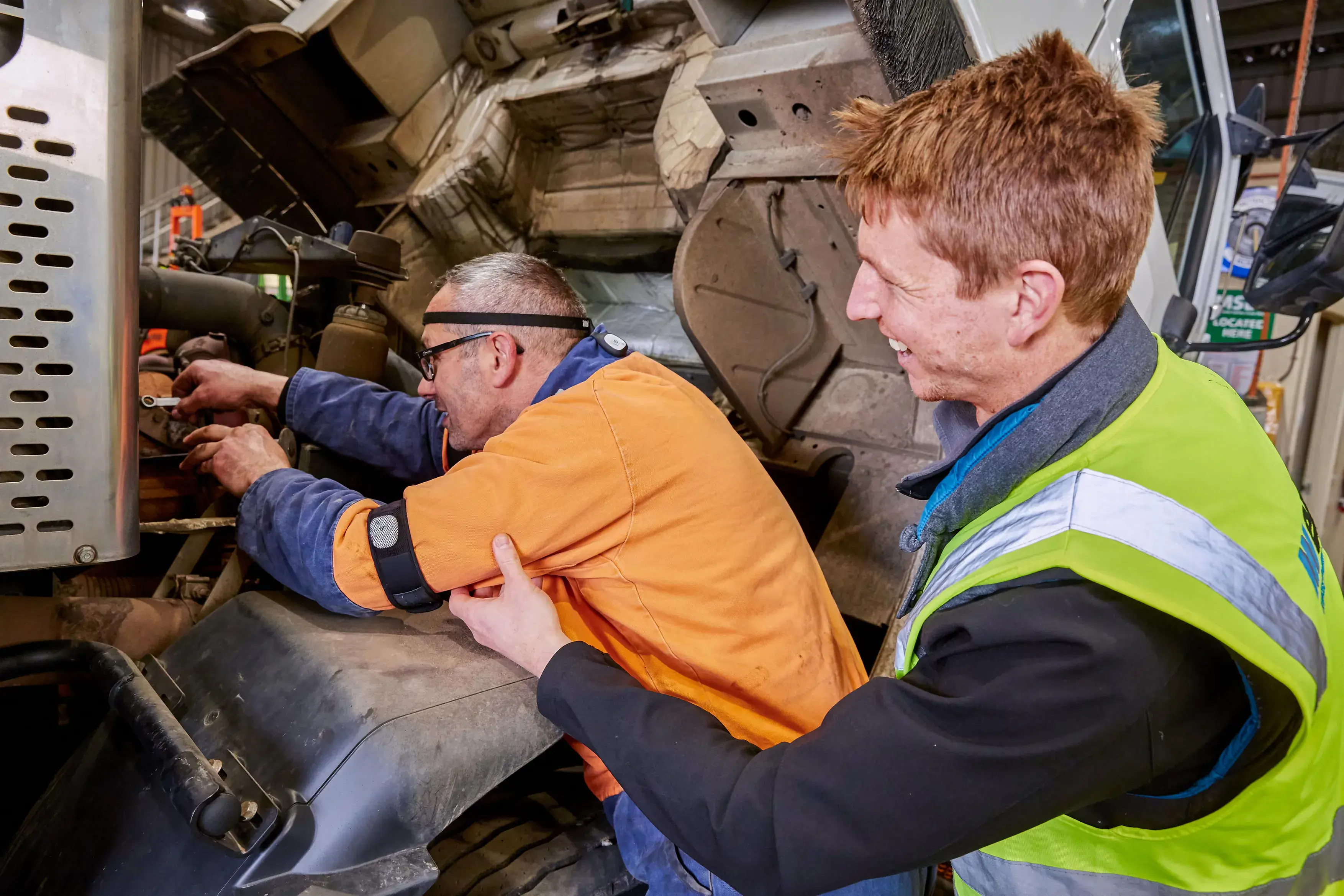
Coaching on the floor, during real tasks, for the lifts, pushes and carries that show up in your injury data.
Ergonomic and manual task assessments that find the equipment, layouts and work flows causing strain, with practical fixes.
Onsite physiotherapy sits within our injury prevention programs, adding conditioning, task redesign and wearable technology where they're needed.
Every consultation is logged and reported, de-identified: presentations, body areas, tasks, outcomes and claims avoided.
Why a physiotherapist on your site gets better results than sending injured workers to a clinic.
What clients see when injuries are treated on site and the tasks behind them are fixed.
35%
Typical reduction in Workers' Compensation claims and premium costs
4:1
Typical return on investment in the first year
43%
Fewer medically treated injuries at StarTrack over three years
Read the case study30%+
Fewer strain injuries at Linfox, with 8 to 10% higher throughput
Read the case studyThe cost of onsite physiotherapy depends on hours on site, the number of sites and shifts, and the services included. Most programs are paid for by the claims and premium costs they avoid.
Set sessions each week at one site, suited to smaller workforces or a first step. You pay for the hours booked.
One or more physiotherapists based at your site, suited to large sites and operations running several shifts.
One program across many sites and states, with a single account team, consistent clinical standards and combined reporting.
From first conversation to physiotherapists on your site, usually within 4 to 6 weeks.
We review your injury and claims data, visit your sites and agree the measures the service will be judged on.
We recommend a model, hours and sites. Many clients start with our no-risk 90-day pilot at one or two sites.
We recruit or assign physiotherapists, set up a treatment space, agree triage and referral pathways, and brief your supervisors.
Results are tracked in the EMP Dashboard and reviewed with you each quarter, and the service changes as your operation does.
Every state office has a senior clinician and a program manager, and every physiotherapist is directly employed by EMP.
Onsite physio for Melbourne warehouses, distribution centres, manufacturers and councils, led from our head office in Ascot Vale.
Onsite physiotherapy across Sydney and regional NSW, including StarTrack's NSW depots and NSW Justice correctional centres.
Onsite physio for Brisbane, the Gold Coast and regional Queensland, including StarTrack's Queensland depots.
Onsite physiotherapy for Perth transport, logistics, resources and government sites.
Onsite services in South Australia, Tasmania, the ACT and the Northern Territory, managed by our state teams.
Regional clinicians cover sites outside the capitals, with telehealth for remote workforces. We also work in New Zealand.
What to look for in a provider, all of which EMP Onsite provides as standard.
Estimate what workplace injuries cost you each year, including the lost time and admin that never show up on the claim.
No-risk 90-day pilot
Leave with a clear plan to reduce risk, or get your money back.
Start with a no-risk 90-day pilot. We'll tailor a program to your workplace, agree success measures up front, and show you how to reduce risk, lower claims costs, and build a stronger, safer workforce.
Onsite physiotherapy is physiotherapy delivered at a workplace instead of a clinic. A physiotherapist works on site on set days or full time, assessing and treating workers with pain or minor injuries, coaching safe ways of working and helping injured workers return to suitable duties.
Employers use it to cut the time between an injury and treatment, which keeps minor strains from becoming Workers' Compensation claims.
Early intervention means assessing and treating a musculoskeletal problem as soon as symptoms start, ideally within 24 hours, before it becomes an injury that needs time off. In a workplace, it usually means workers can see a physiotherapist on site without a claim or a referral.
The earlier a strain is treated, the faster the recovery and the less likely it is to become a lost time injury. At StarTrack, workers were treated within 24 hours of symptoms starting and medically treated injuries fell 43%.
Cost depends on the hours on site, the number of sites and shifts, and what's included, from a few sessions a week at one site to full-time physiotherapists across a national network.
Most programs pay for themselves through fewer claims, shorter claims and lower premiums. Clients typically see a 4:1 return in the first year. Try the numbers for your site with our workplace injury cost calculator.
For most physical workforces, yes. Workers are treated the same day without leaving site, the physiotherapist knows the tasks and can plan suitable duties with supervisors, and you get reporting on what's causing injuries. A clinic treats the injury; an onsite physiotherapist can also fix the task behind it.
No. Early intervention is funded by the employer, so workers can be seen as soon as they feel discomfort, without a claim or referral. If an injury does become a claim, our physiotherapists work with your insurer, the worker's doctor and your return-to-work coordinator.
Onsite services typically start within 4 to 6 weeks of agreeing scope. Many clients begin with our no-risk 90-day pilot at one or two sites before rolling out further.
Yes. We provide onsite physiotherapy in every Australian capital city and state and territory, with regional clinicians and telehealth for remote sites, and we also work in New Zealand.
Yes. Prevention is part of every physiotherapist's role: they coach safe ways of working during real tasks, assess workstations and manual tasks, and work with supervisors on changes that remove risk. For larger programs, onsite physiotherapy is combined with our injury prevention programs.
Every consultation is logged and reported, de-identified, in the EMP Dashboard. We track presentations, outcomes, claim frequency, severity and duration, and report the return on investment against the measures agreed at the start.
Yes. Session data is held securely in Australian Microsoft Azure regions, and an open API lets it flow into most safety systems and analytics platforms.
Explore complementary programs from our Onsite Services range.
Proactive strategies to reduce workplace injuries

Timely treatment and support to prevent injury escalation

Leadership-led safe manual handling