Transport & Logistics
StarTrack: Onsite Physiotherapy & Injury Prevention
How an integrated onsite physiotherapy and injury prevention program cut injuries and medical treatment injuries while StarTrack moved more freight than ever before.
- Client
- StarTrack (Australia Post)
- Sector
- Transport & Logistics
- Locations
- Queensland & NSW depots
- Program length
- 36 months
Results at a Glance
Measured across three financial years, from FY19–20 to FY21–22.
36%
Reduction in injuries
43%
Reduction in medical treatment injuries (MTIs)
108%
Increase in program engagement
12%
Increase in workplace productivity
The Challenge
Injuries and MTIs were climbing just as freight volumes reached record highs.
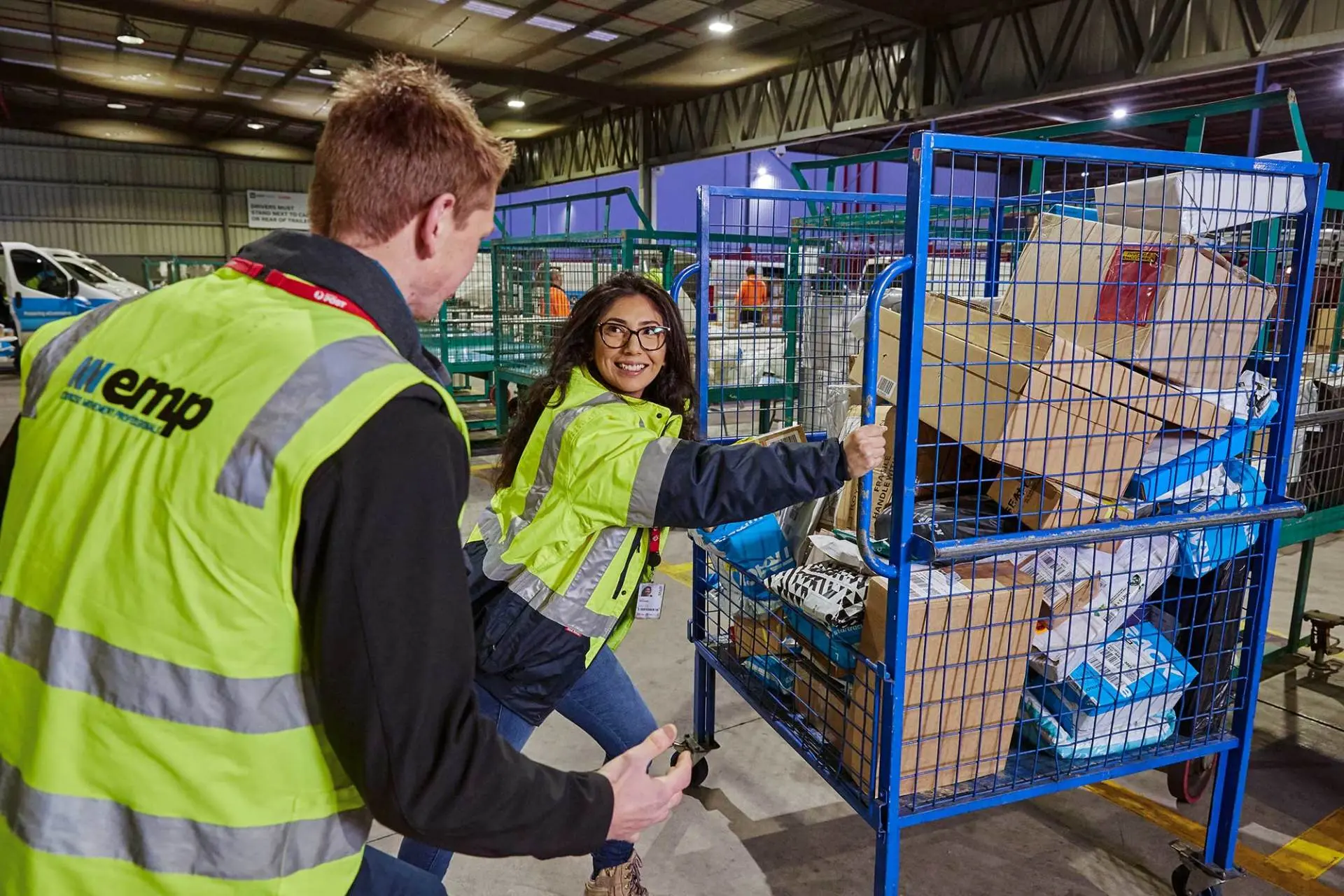
StarTrack, the premium freight and parcel division of Australia Post, runs a national network of depots, sorting terminals and delivery fleets. Its people work in fast-paced environments, handling large parcel and freight volumes, awkward loads and sustained physical demand across fleet driver, van driver, freight handling and sorting roles.
As online shopping accelerated, parcel volumes grew rapidly and the physical load on frontline teams grew with them. Body stressing injuries from manual handling were on the rise, more of those injuries required medical treatment, and claims and premium costs were following.
StarTrack needed a partner who could protect its people and its productivity at the same time, without slowing the operation down.
Source: Safe Work Australia, Key Work Health and Safety Statistics Australia 2025.
View data table
| Industry | Serious claims per million hours worked |
|---|---|
| Agriculture, forestry & fishing | 10.0 |
| Public administration & safety | 9.6 |
| Manufacturing | 9.4 |
| Health care & social assistance | 9.4 |
| Construction | 9.3 |
| Transport, postal & warehousing | 9.0 |
| All industries average | 6.8 |
Our Approach
Onsite physiotherapists worked hand in hand with safety leads, operations teams, supervisors and frontline workers.
Early intervention
Workers accessed onsite treatment within 24 hours of symptom onset, reducing lost time and the transition of minor issues into claims.
Functional rehabilitation
Physiotherapists prescribed job-specific reconditioning programs and worked with team leaders to build practical modified duties plans.
Workplace improvement
Trend data from treatments and risk identification highlighted rising risk from changing freight profiles and challenging postures, guiding a mix of administrative and engineering controls.
Prevention culture
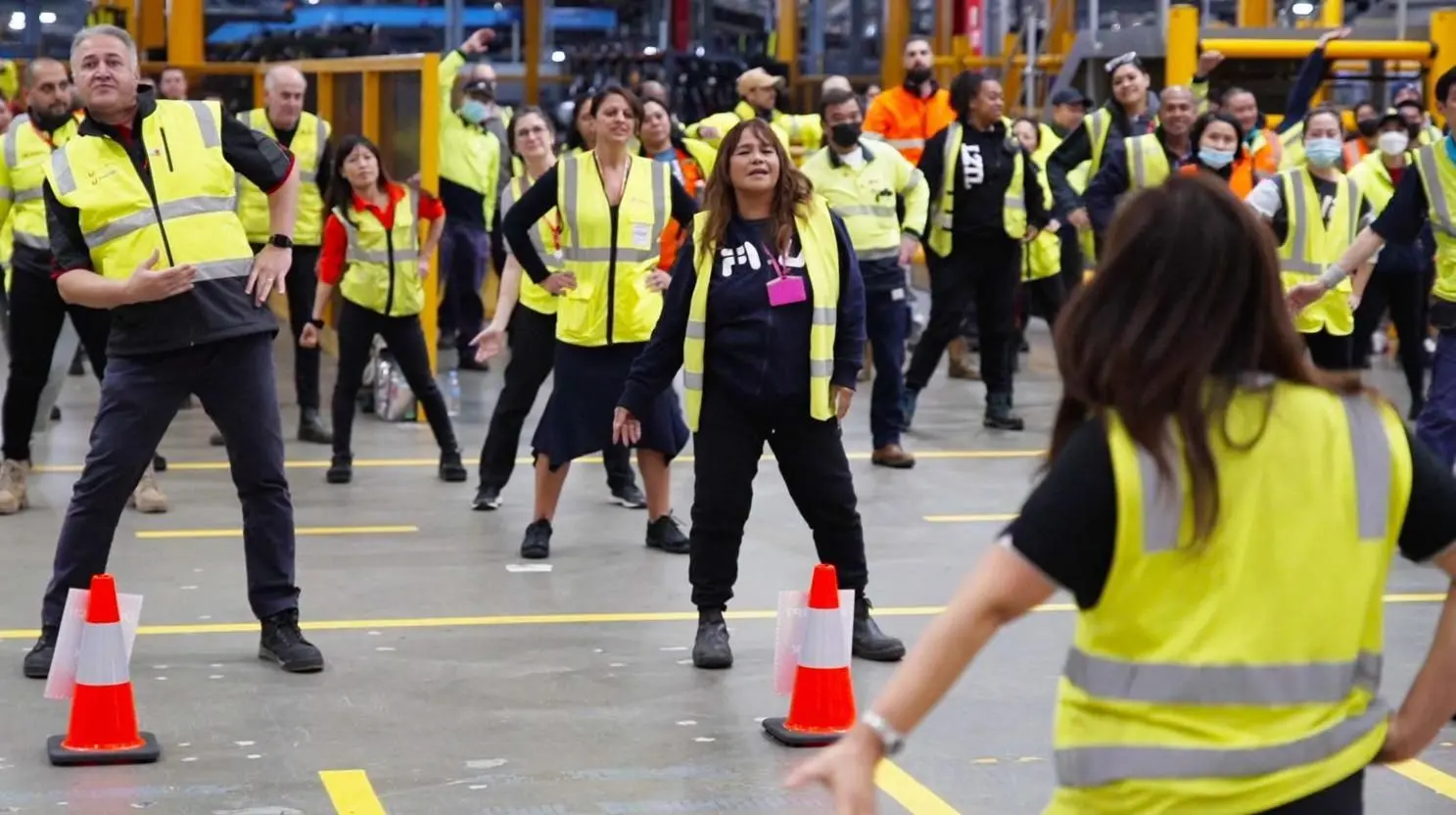
Regular group and individual on-the-job education, reinforced with live wearable sensor data, helped frontline leaders identify and correct risky techniques.
A 36-Month Program
Each phase built on the data and trust established in the one before it.
- FY19–20, step 1
Profile and launch
EMP profiled multiple StarTrack sites to understand the root causes of injury risk, then introduced onsite physiotherapy, early intervention and triage. The year closed with 577 injuries and 368 MTIs.
- FY20–21, step 2
Scale early intervention
Worker check-ins with EMP clinicians rose by almost half as trust grew. Injuries fell to 441 and MTIs to 253, even as freight volumes continued to climb.
- FY21–22, step 3
Embed a prevention culture
Wearable sensor data and leader-led coaching moved the focus from treatment to prevention. Injuries fell to 370 and MTIs to 209 while freight volumes rose by almost a quarter.
The Results
Year on year, injuries and MTIs fell while freight volumes rose.
- Injuries
- Medical treatment injuries
- EMP check-ins
Source: StarTrack program data reported by EMP Onsite. MTIs are injuries that required medical treatment beyond first aid.
View data table
| Financial year | Injuries | Medical treatment injuries | EMP check-ins |
|---|---|---|---|
| FY19–20 | 577 | 368 | 386 |
| FY20–21 | 441 | 253 | 571 |
| FY21–22 | 370 | 209 | 810 |
- Freight volume
- Injuries
- Medical treatment injuries
Indexed from StarTrack program data. Relative to freight handled, the injury rate fell by roughly 48% over the program.
View data table
| Financial year | Freight volume | Injuries | Medical treatment injuries |
|---|---|---|---|
| FY19–20 | 100 | 100 | 100 |
| FY20–21 | 103 | 76 | 69 |
| FY21–22 | 123 | 64 | 57 |
“We have seen significant business growth over the last few years. To reduce injury risk, we engaged EMP Onsite to deliver injury prevention programs targeting manual handling–related injuries. Over this period, our freight volumes increased by 25%, and with EMP's support, our injury numbers reduced, along with injury severity, as evidenced by a reduction in MTIs.”
Value Delivered
Fewer injuries translated directly into lower costs and a more productive operation.
$2.5M+
Saved in direct costs and workers' compensation premiums
$8M+
Productivity uplift in revenue terms over two years
57%
Reduction in body stress claims within 12 months of wearables
3.5:1
Conservative return on investment across the program
Savings reflect reductions in direct injury costs and workers' compensation premiums reported over the program period. Productivity estimates are based on throughput gains reported by StarTrack and should be read as indicative.
Wearables Made Risk Visible
Sensor data turned manual handling risk into something supervisors could see and act on.
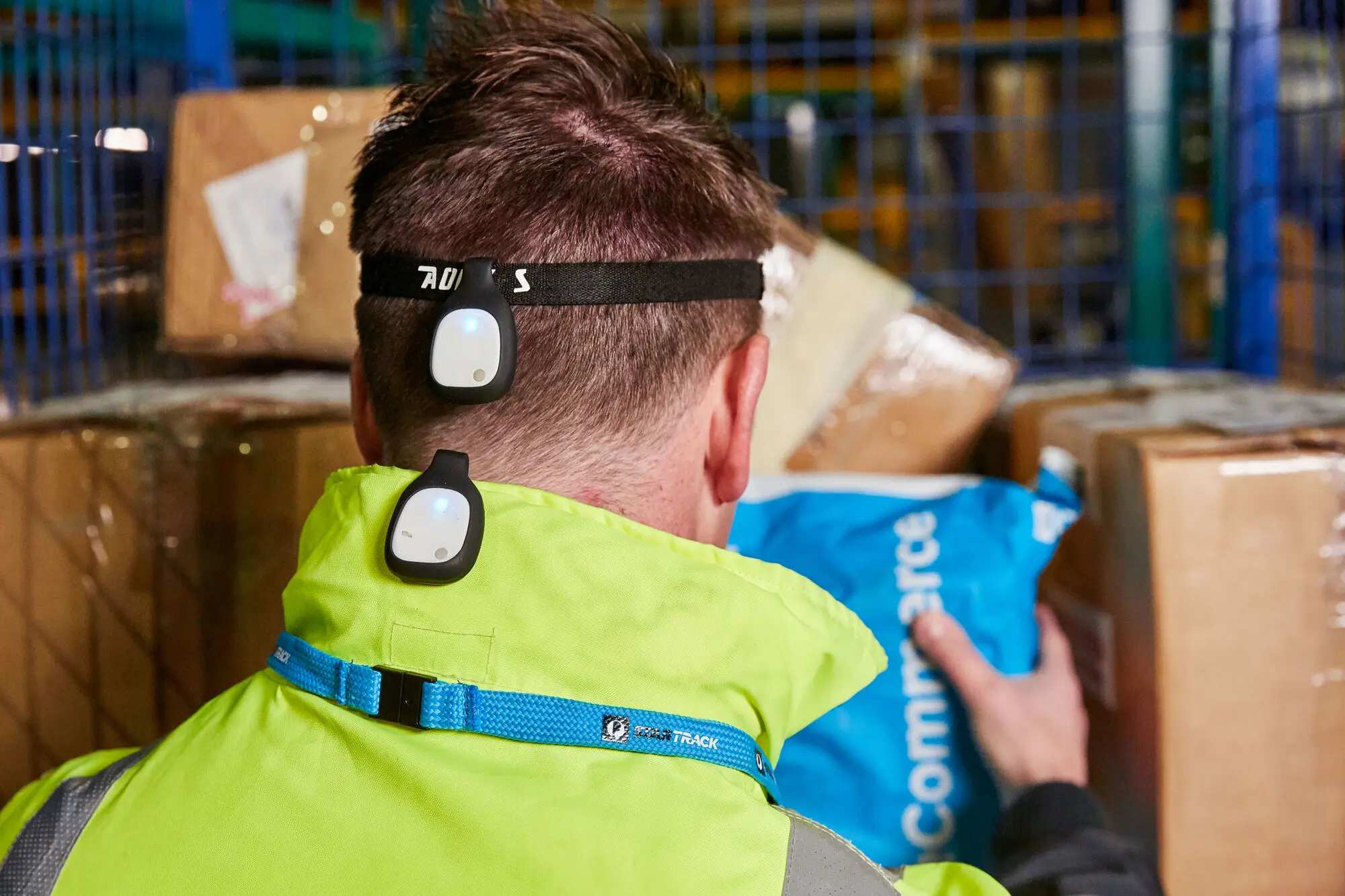
Body stress injuries from manual handling were a growing share of claims. EMP deployed wearable motion sensors alongside onsite physiotherapy to measure how workers actually moved during real tasks, from lifting parcels off conveyors to loading vans.
Live task risk data guided coaching on the floor, highlighted the tasks and postures that carried the most load, and gave leaders objective evidence to prioritise controls. Within 12 months, body stress claims fell by 57%, a saving of around $900,000 and a return of 2.8 to 1 for that program alone.
- Objective movement data captured during real work tasks
- High-risk lifts and postures identified by task and role
- Coaching targeted to the workers and tasks that needed it most
Key Takeaways
- Early access to onsite physiotherapy stops minor strains becoming medical treatment injuries and claims.
- Engagement is a leading indicator: as check-ins more than doubled, injuries and MTIs fell year on year.
- Injury reduction and productivity are not a trade-off. StarTrack handled more freight with fewer injuries.
- Wearable data gives leaders objective evidence to target controls and coaching where risk is highest.
Ready to Transform Your Workplace Safety?
Talk to our team about a program tailored to your workplace. We'll show you how to reduce risk, lower claims costs, and build a stronger, safer workforce.