Local Government
Redland City Council: Integrated Injury Prevention
A data-driven injury prevention and early intervention program integrating onsite services and functional assessments.
Reduced injury severity and stronger early reporting
Workplace ergonomic assessments that find what's causing strain at desks, in vehicles and on the floor, and fix it.
An ergonomic assessment looks at how a worker's tasks, equipment and surroundings fit their body, and changes what's causing discomfort or injury risk. EMP Onsite's clinicians assess office, home office, vehicle and industrial work across Australia, and give you a report with practical, prioritised fixes.
Assessments suit workers with discomfort or returning from injury, new starters and office fit-outs, and whole teams or sites where strains drive claims. They also help you meet your WHS duty to manage the risk of musculoskeletal disorders.
Each assessment is matched to the work, from a single desk to a whole distribution centre.
Chair, desk, screen, keyboard and mouse set up for the worker, with advice on posture, breaks and moving through the day.
The same assessment for people working from home, in person or by video, so you can meet your WHS duty for remote workers.
Seat, wheel and mirror set-up, getting in and out of the cab, and loading and unloading for drivers of trucks, vans and fleet vehicles.
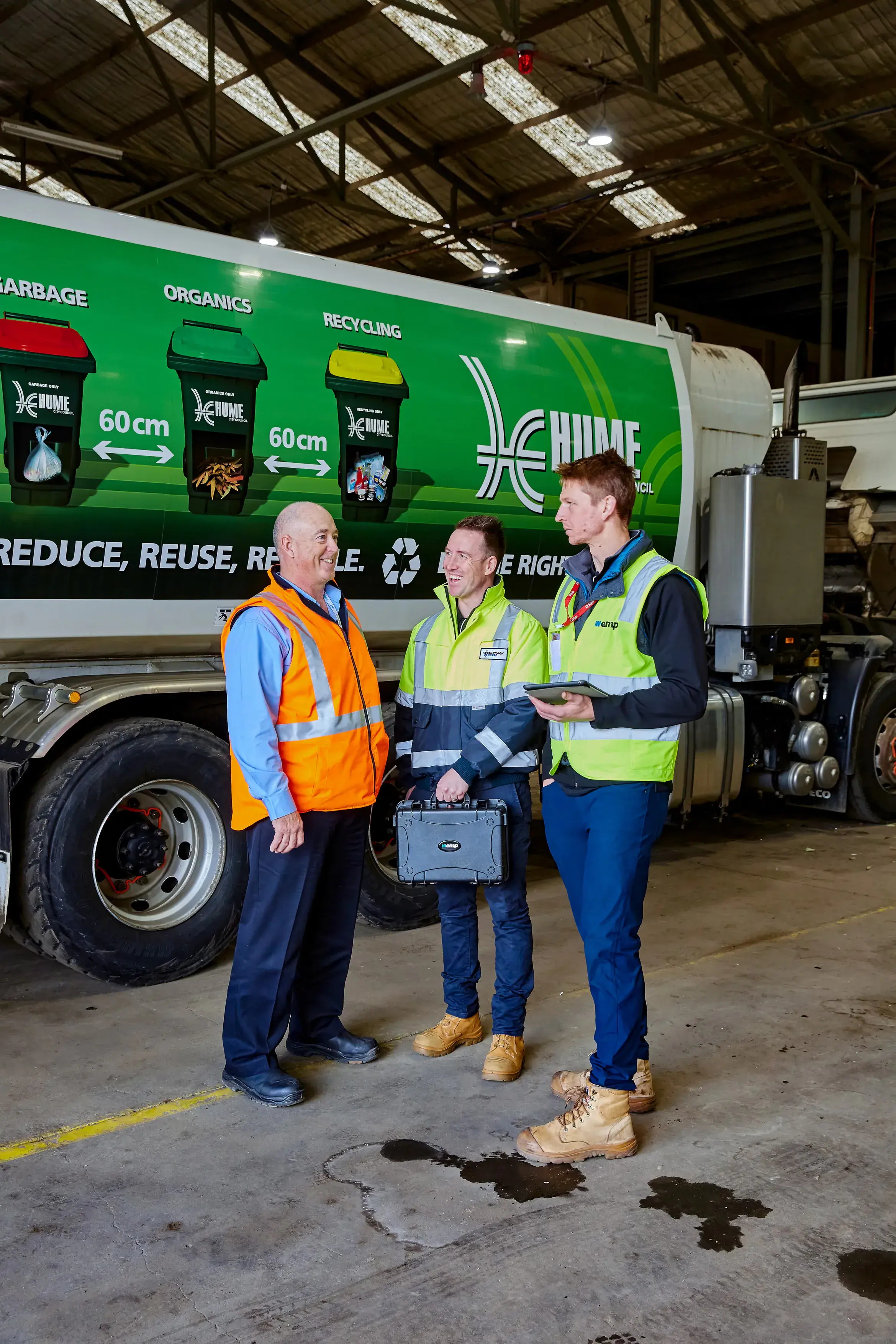
Hazardous manual tasks on production lines, in warehouses and in the field, measured with REBA and RULA and redesigned to cut force, reach and bending.
An in-depth assessment for a worker with an injury or condition, setting up their work to support a safe return and avoid a repeat.
Assessments by area or role across a whole team or site, with group education, suited to fit-outs, new equipment and claims hot spots.
A clinician trained in ergonomics and musculoskeletal health comes to the workplace and assesses the work as it's really done.
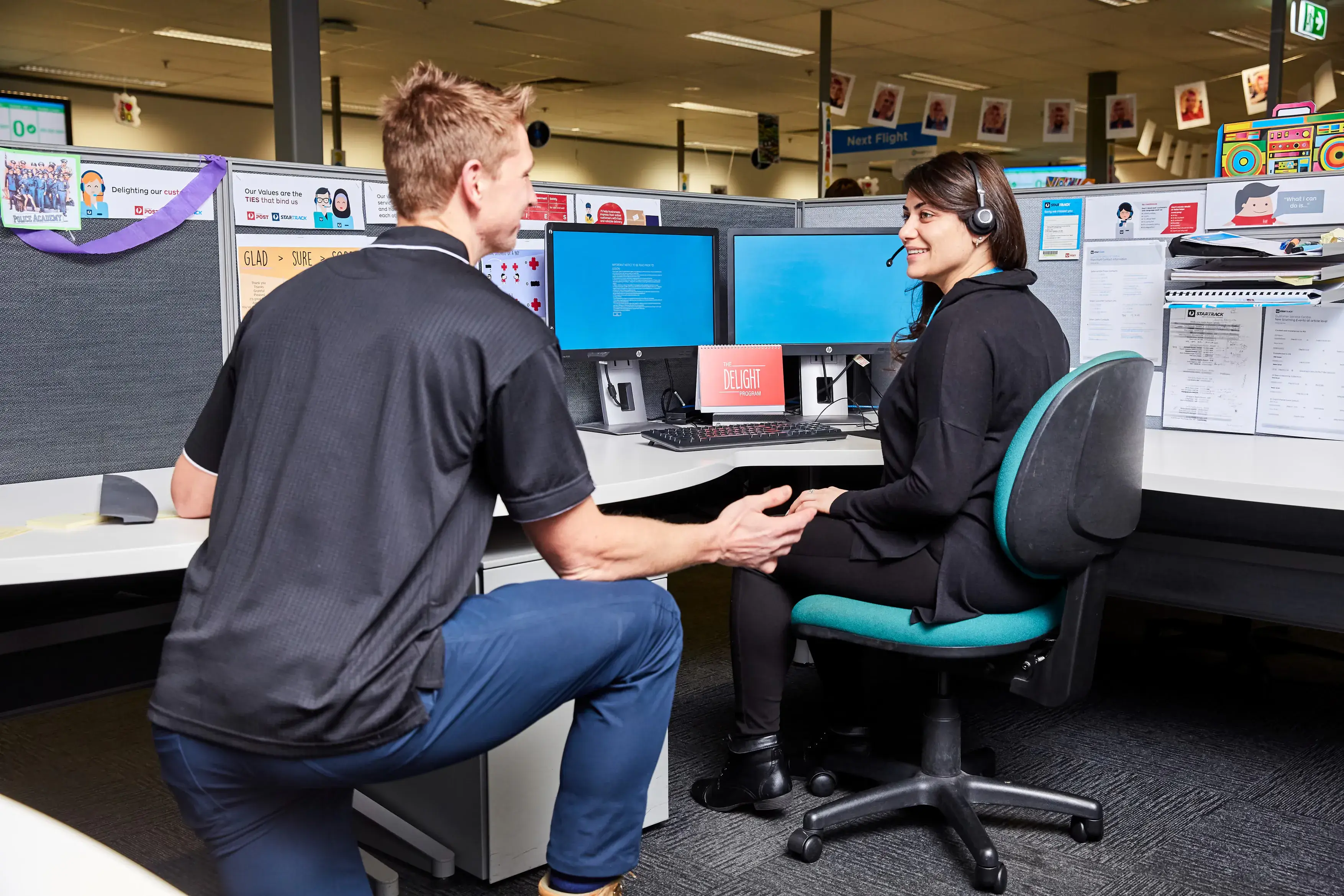
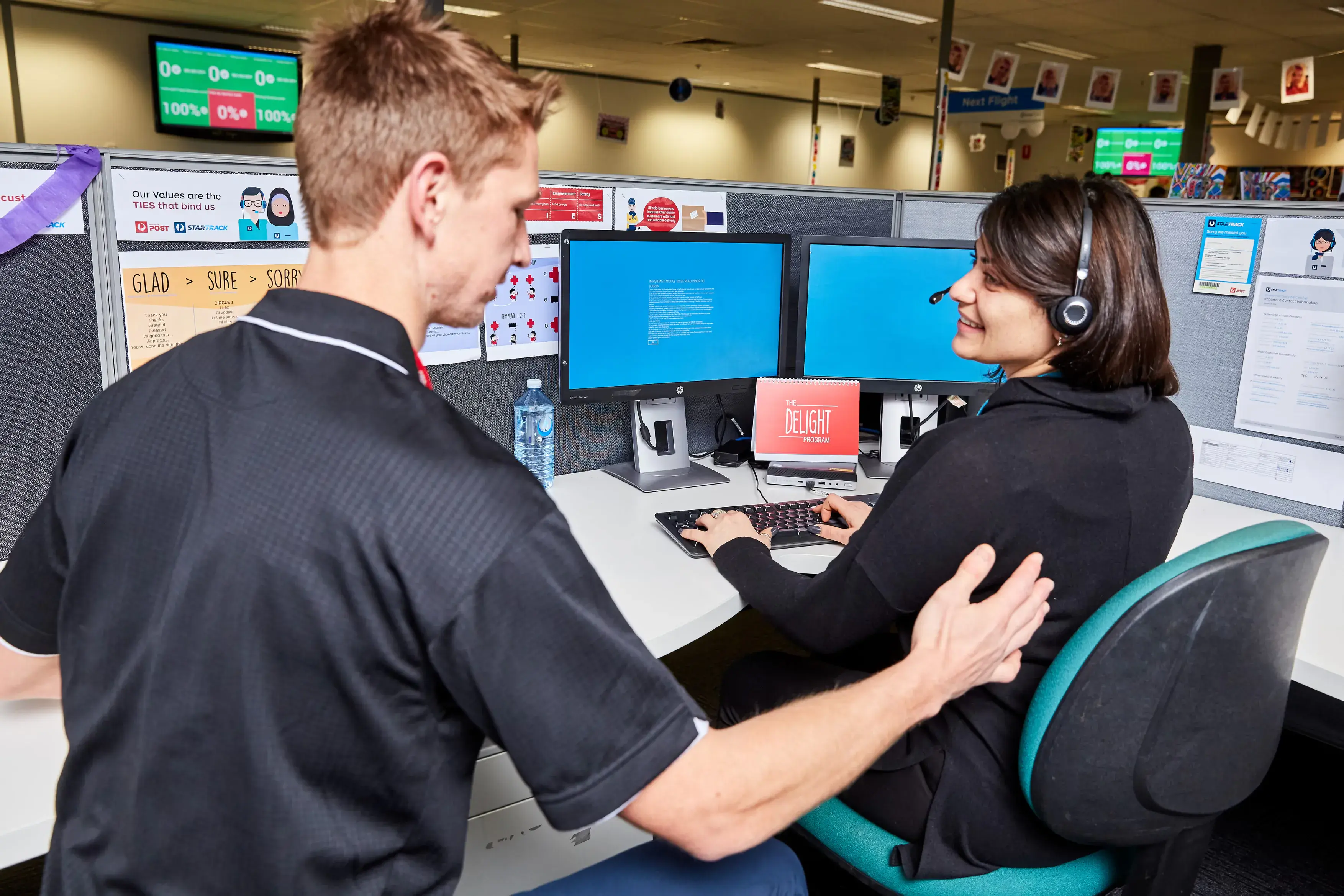
They talk with the worker about their role, any discomfort and their working day, then watch them work, take measurements and photos, and make adjustments on the spot where they can.
A clear written report, usually within a week, that you can act on and keep for your WHS records.
Recommendations follow the hierarchy of controls, starting with changes to the task and equipment before training and advice.

From first call to follow-up, every assessment follows the same steps.
We agree who or what is being assessed, why, and the outcome you need, whether that's a return to work, a fit-out or fewer claims.
Our clinician assesses the work on site, at home or by video, measuring the tasks and adjusting set-ups as they go.
You receive a written report with risk ratings and prioritised recommendations.
We help you put changes in place, train workers and supervisors, and review the task to check the risk has come down.
Assessments are part of how our clients cut strains, sprains and claims.
46%
Average reduction in task risk across assessed tasks
35%
Typical reduction in Workers' Compensation claims and premium costs
25%
Fewer recorded injuries at St John Ambulance
Read the case study$2.5M+
Saved by StarTrack in direct costs and premiums
Read the case studyFor physical work, we measure risk instead of estimating it.
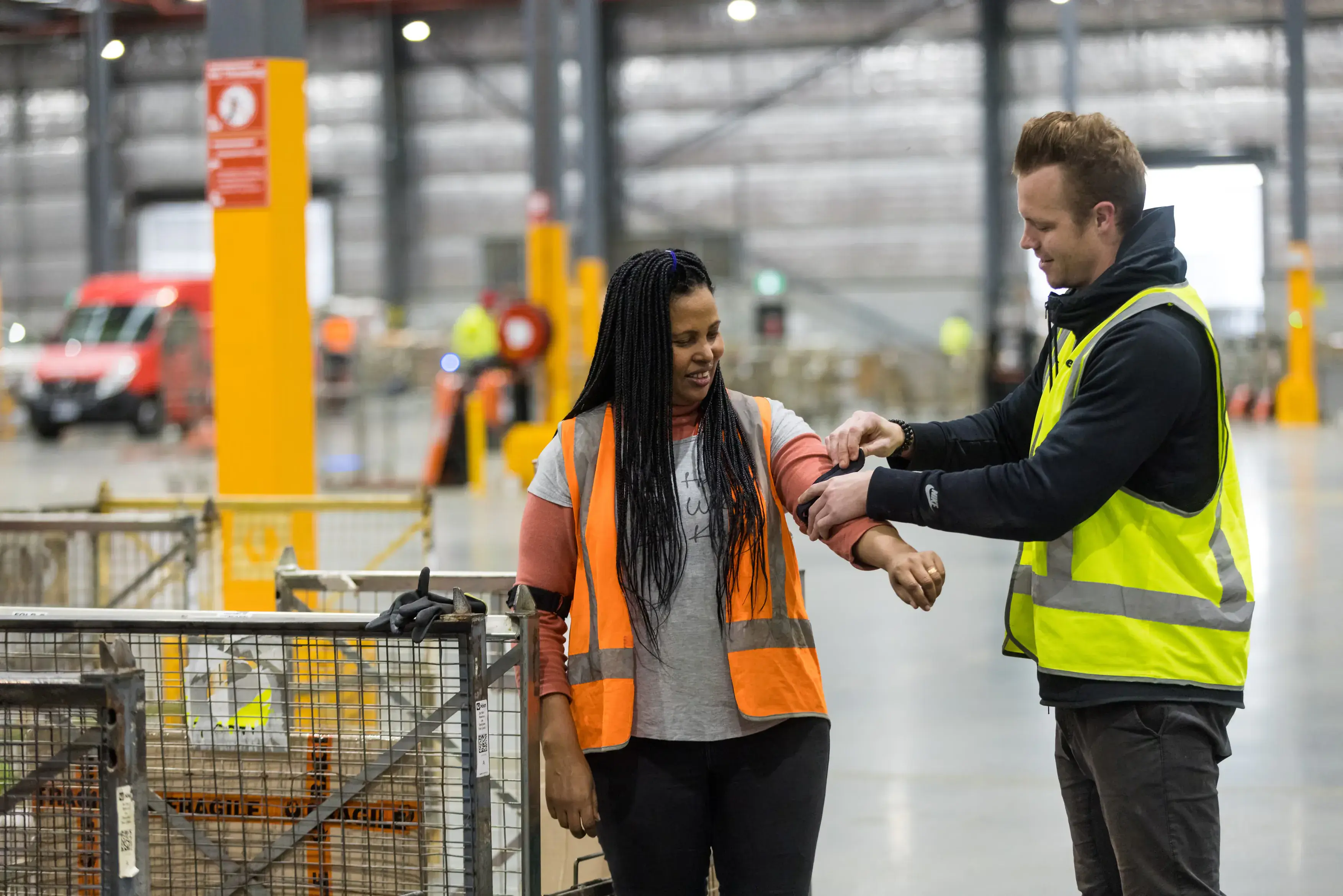
Wearable motion sensors record how workers move and load their bodies during real tasks across a shift, showing which lifts and postures carry the most risk and whether a change has worked.
AI-supported task risk assessment scores postures from video, so more tasks can be assessed in less time. A clinician reviews every result before it reaches you.
Find the right desk, chair and screen heights for sitting and standing work, from your height or your own measurements.
Check an office or home workstation in about 10 minutes, and print a record of the fixes to share with your employer.
Score arm, wrist and neck postures with the Rapid Upper Limb Assessment method, for one or both sides.
Score a work task with the Rapid Entire Body Assessment method, and compare up to three tasks.
We quote a fixed price once we know the scope. These are the things that change it.
How Australian employers have used this service to cut injuries, claims and lost time.
Local Government
A data-driven injury prevention and early intervention program integrating onsite services and functional assessments.
Reduced injury severity and stronger early reporting
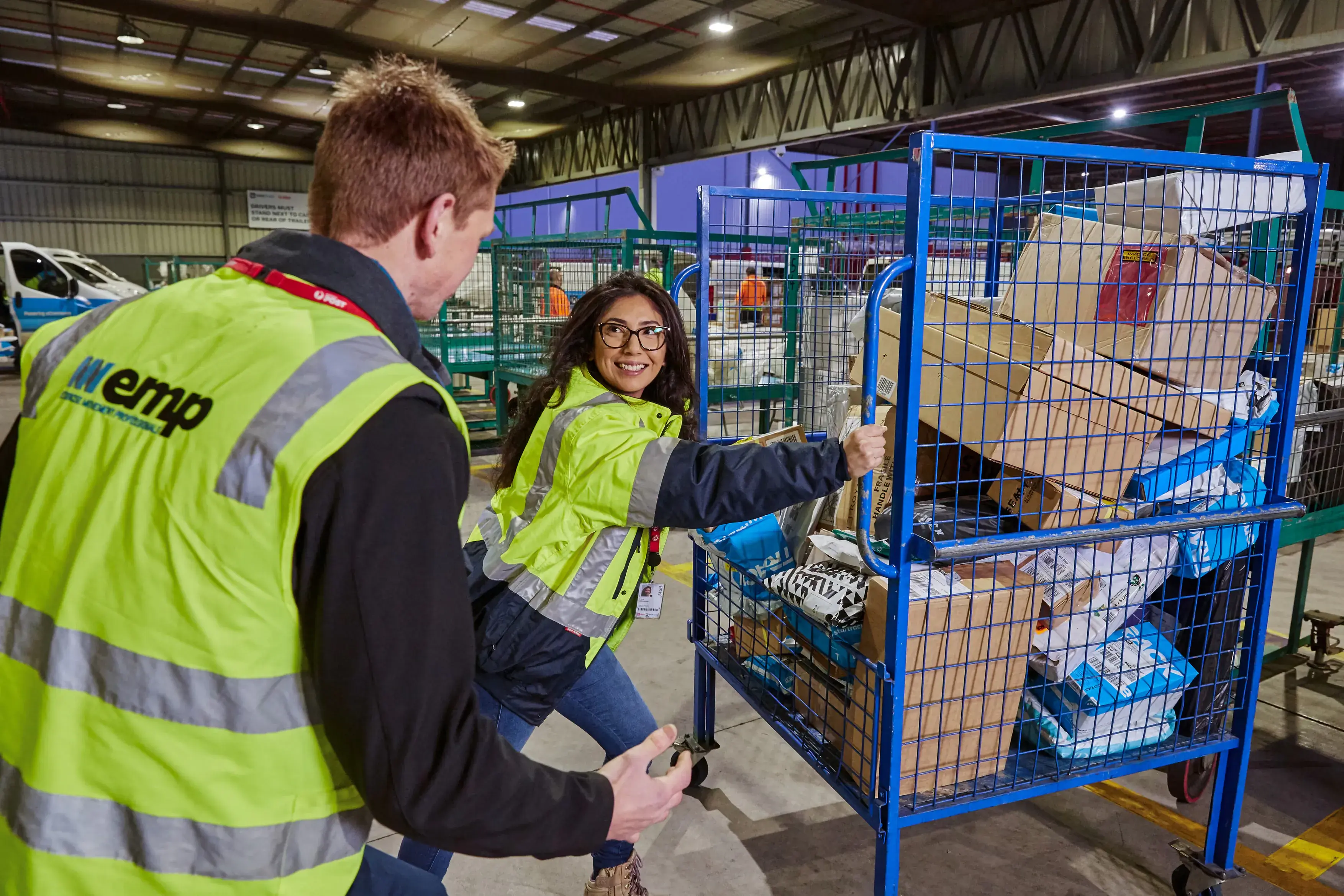
Transport & Logistics
Combining onsite physiotherapy with structured preventative coaching and data-led analytics to achieve industry-leading safety results.
No-risk 90-day pilot
Leave with a clear plan to reduce risk, or get your money back.
Start with a no-risk 90-day pilot. We'll tailor a program to your workplace, agree success measures up front, and show you how to reduce risk, lower claims costs, and build a stronger, safer workforce.
An ergonomic assessment is a structured look at how a person's work, equipment and surroundings fit their body. A trained assessor watches the work, measures the risks and recommends changes that reduce discomfort and the risk of musculoskeletal injury.
It aims to find the parts of a job that could cause musculoskeletal injury, such as awkward postures, repetitive movement, heavy force or long periods in one position, rate how risky they are, and control them, ideally by changing the task or equipment.
In Australia it's also how employers show they're managing hazardous manual tasks, as WHS laws require.
A conversation with the worker about their role and any discomfort, observation of the work, measurements and photos, adjustments on the spot, and a written report with risk ratings, prioritised recommendations and any equipment needed.
Most individual office and home office assessments take about an hour. Driver, industrial and return-to-work assessments take one to two hours, and team or site assessments are scheduled over half a day or more. The report usually follows within a week.
Assessments should be done by someone trained in ergonomics and musculoskeletal health, such as an ergonomist or a health professional with ergonomics training. EMP Onsite's assessments are done by our own university-qualified clinicians, who are directly employed, never contracted.
The 20-8-2 rule is a guide for desk workers: in every 30 minutes, sit for about 20, stand for about 8 and move for about 2. It breaks up long periods in one position, which matters more than finding one perfect posture.
A sit-stand desk makes it easier to follow. Our free desk height calculator gives the right sitting and standing heights for your body.
The seven ergonomic hazards most often listed are:
1. Awkward postures, such as bending, twisting and reaching overhead.
2. Repetitive movements.
3. Forceful exertions, such as heavy lifting, pushing and pulling.
4. Sustained or static postures, such as long periods sitting or standing.
5. Contact stress from hard or sharp edges.
6. Vibration from tools or vehicles.
7. Environmental factors, such as poor lighting, heat and cold.
It depends on the type of assessment, how many workers or tasks are assessed, travel and the detail the report needs. Office and home office assessments cost less than driver, industrial or return-to-work assessments, and teams and sites cost less per person. We give a fixed quote once we know the scope.
Yes. We provide ergonomic assessments in Melbourne, Sydney, Brisbane, Perth, Adelaide and every other Australian state and territory, with regional clinicians for sites outside the capitals and video assessments for home and remote workers.
Yes. Workers learn how to keep their own set-up right during the assessment, and we run training for teams and supervisors on safe ways of working and spotting risky tasks.
Explore complementary programs from our Work Design & Safety range.
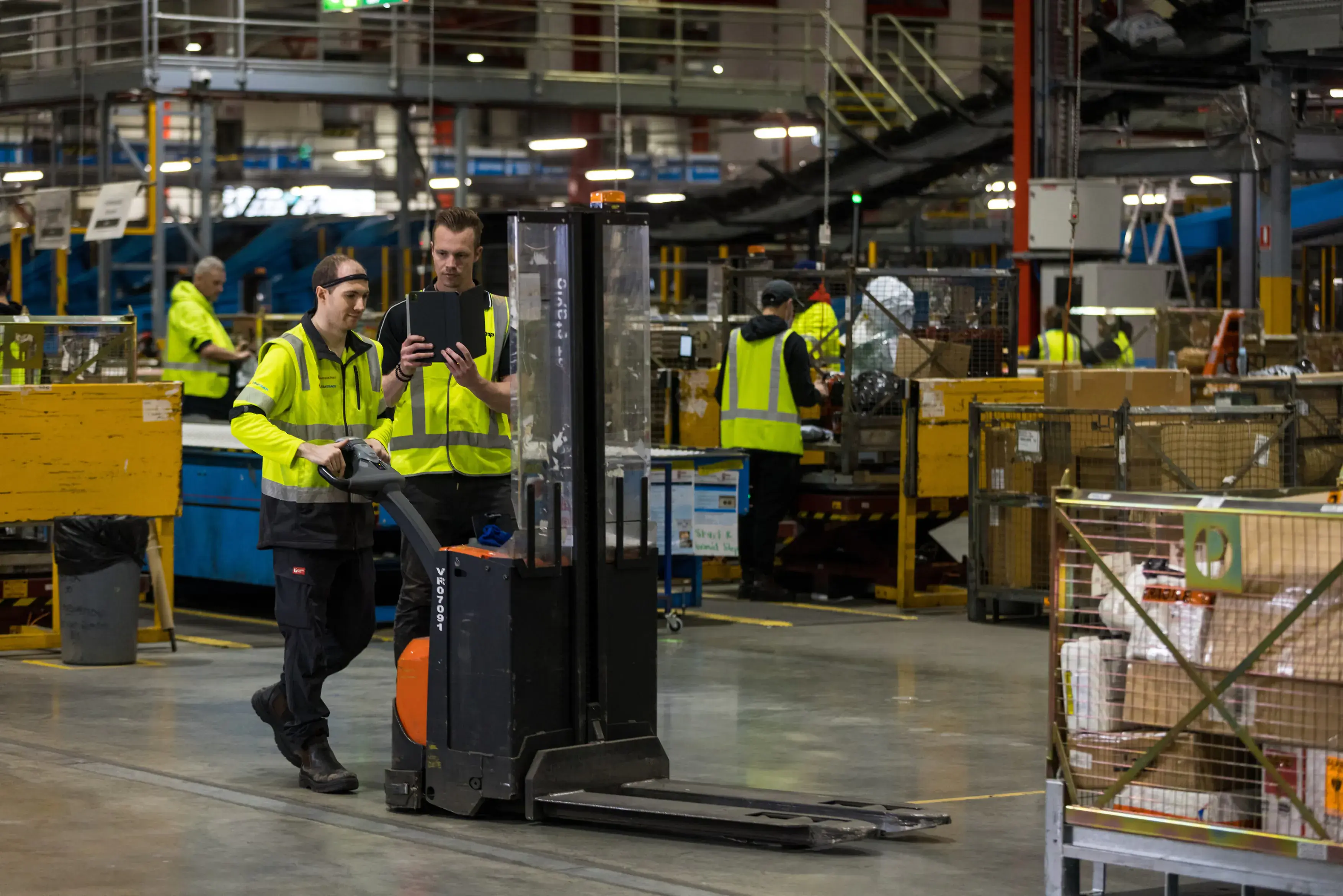
Detailed evaluation of workplace tasks
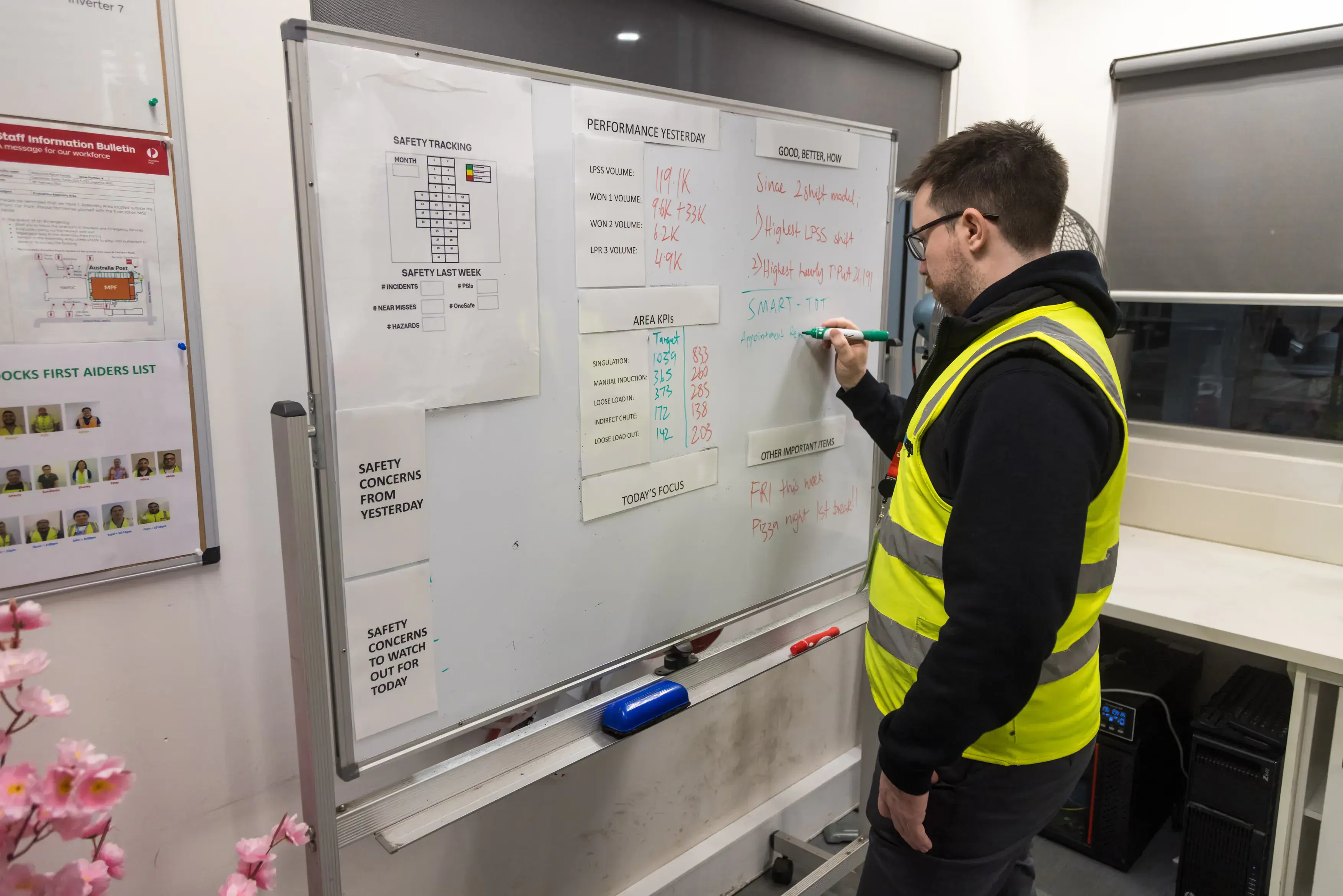
Comprehensive physical demands documentation
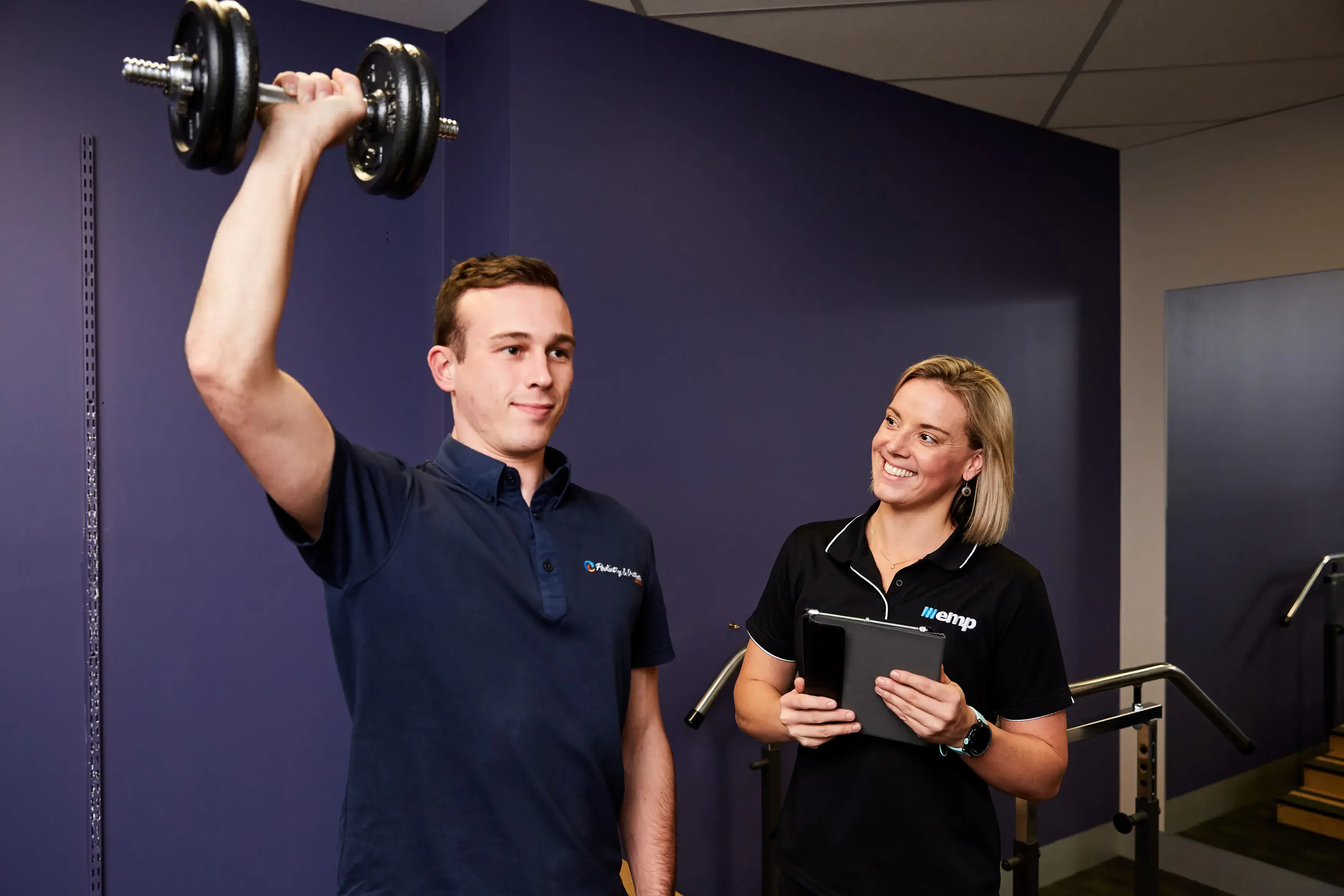
Functional capacity assessments for new hires