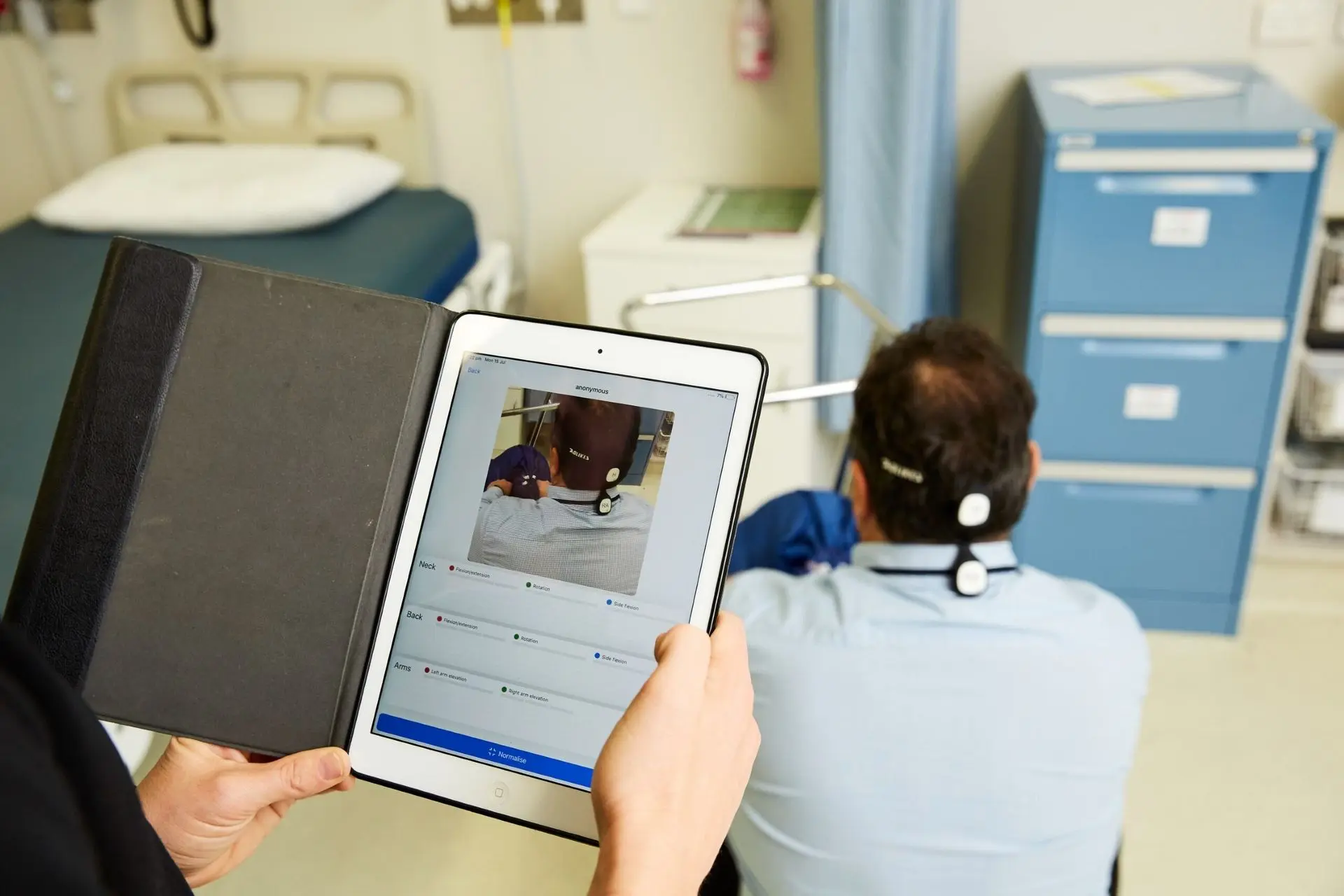
Job Task Analysis
Understand the true demands and risks of every role, and build a foundation for long-term injury prevention.
A Job Task Analysis is essential for workplace safety and operational efficiency. Our analyses define the critical aspects of each role, supporting recruitment, guiding injury management, and building a culture of wellbeing and productivity.
Every Job Task Analysis is conducted by our health professionals. Our multidisciplinary team brings deep expertise in understanding true job risks and human factors, delivering a holistic evaluation that goes beyond standard safety assessments.
By breaking down roles into detailed tasks, employers gain a clear view of inherent requirements, risks, and human factors. This analysis enables proactive hazard identification, improved ergonomic practices, and targeted modifications for individual needs. The result is immediate safety improvements and a strong foundation for long-term injury prevention.
Key Benefits
See how Job Task Analysis delivers measurable safety, recruitment, and injury management outcomes.
Clear inherent requirements
Gain a clear understanding of the physical and mental demands of each role, supporting safer and more supportive workplaces.
Better recruitment matching
Define job requirements to match candidates to roles, improving workforce sustainability and reducing turnover.
Injury management & return to work
Identify risk factors and implement targeted modifications for smoother, safer transitions back to work after injury.
EMP Technologies integration
Wearable sensors and scanner technology provide essential data to design, administer, and control Job Task Analyses.
Real-world assessment
Workers complete normal tasks while wearable technology captures objective data for targeted safety improvements.
Track and benchmark improvements
Monitor individual and group progress, benchmark performance, and adjust programs using real-life data for faster results.
How It Works
EMP Onsite’s Job Task Analysis process combines technology and clinical expertise for actionable safety outcomes.
Real-Time Task Risk Assessment
Wearable sensors capture live data on movement and load, giving health professionals dynamic insights into task-specific risks and hazards.
Work Practice Recommendations
Based on the data, our team recommends postural and physical changes to work practices and processes, reducing body stress and injury risk.
Detailed Task Breakdown
Each analysis provides a thorough breakdown of task components, identified risks, and targeted recommendations for risk mitigation.
Task Modification & Individual Adjustments
Recommendations include job rotation, changes to frequency or repetition, and tailored breaks—ensuring a holistic approach to injury prevention and employee wellbeing.
Inside a Job Task Analysis
Every analysis is delivered as a clear, data-driven report, explained in plain English. Here’s an example from a fleet maintenance role.
Overall risk level
This is the headline number. We combine how hard each movement is on the body, how often it happens and how likely it is to cause harm, then place the result on a five-band scale. This role sits in the high band, so it's a clear priority for action.
A validated risk index (R = Severity × Exposure × Probability) scored across the back, neck and both shoulders.
High risk
236.5 / 500
- Low0–20
- Possible20–70
- Moderate70–200
- High200–400
- Excessive> 400
Contributing risk factors
These are the movements behind the score. Deep forward bending while working on the truck adds the most risk, followed by twisting, leaning back and side-bending with a load in hand. Fixing the top few brings the overall score down fastest.
Movements that contribute most to the risk score.
- Bend forward 45–90°42.5
- Bend forward 20–45°25.0
- Load handled – back twist25.0
- Load handled – bend backward20.0
- Load handled – side bend17.5
- Forward reaching12.5
Risk distribution
This shows which parts of the body are taking the strain. Here the back carries most of the load, which lines up with the bending and twisting above and tells us where to focus coaching and conditioning.
How the risk is spread across body regions.
- Back · Moderate risk182.4
- Arms · Possible risk38.6
- Neck · Low risk15.5
- Other · Low risk0.0
Physical demands
A plain snapshot of the most extreme postures and heaviest loads we saw during the shift. It's exactly what recruiters, doctors and return-to-work coordinators need to match people safely to the role.
Peak postures and loads observed.
- Spinal flexion
- Up to 90°
- Lateral flexion
- > 30°
- Shoulder flexion
- Up to 90°
- Neck flexion
- Up to 50°
- Weight
- Up to 20 kg
- Vibration
- Nil
Psychosocial demands
Not all risk is physical. We also look at mental workload and the work environment, such as concentration, time pressure, noise and heat, because stress and fatigue make physical injuries more likely.
Cognitive and environmental load, scored from 0 to 16.
- Cognitive · Moderate risk6.0 / 16
- Working environment · Moderate risk7.0 / 16
Recommendations
Finally, the practical part. Each recommendation targets a specific risk above, and most are simple, low-cost changes your team can start using straight away.
- Pre-shift conditioning focused on lower back strength and endurance
- Team lift to reduce load when raising the truck cab
- Move feet and use both sides of the truck when inspecting the engine bay
- Activity-specific risk assessment and on-the-job training
Proven Impact
Job task data underpins EMP's injury prevention programs. Here are results organisations have achieved with them.
| Industry | Result | ROI / Outcome |
|---|---|---|
| Transport & Logistics | 42% reduction in manual handling injuries | $8M productivity uplift |
| Local Government | 40% decrease in gradual onset injuries | Reduced long-term claims and improved ergonomics |
| Manufacturing | 36% drop in MTIs within 9 months | Safer work design and increased functional capacity |
| Postal & Freight | 35% faster return to work timeframes | Enhanced employee trust and engagement |
Across diverse industries, EMP Onsite’s injury prevention programs have consistently delivered significant reductions in workplace injuries and measurable productivity gains, demonstrating strong return on investment and lasting improvements in safety culture.
See It in Action
How Australian employers have used this service to cut injuries, claims and lost time.
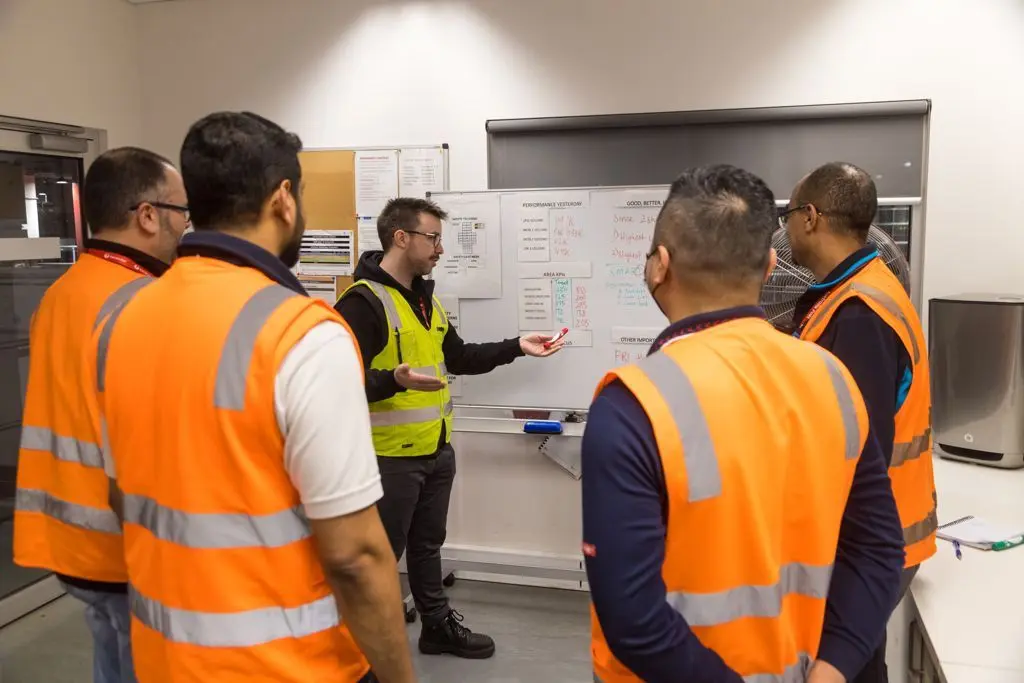

Local Government
Redland City Council: Integrated Injury Prevention
A data-driven injury prevention and early intervention program integrating onsite services and functional assessments.
Reduced injury severity and stronger early reporting
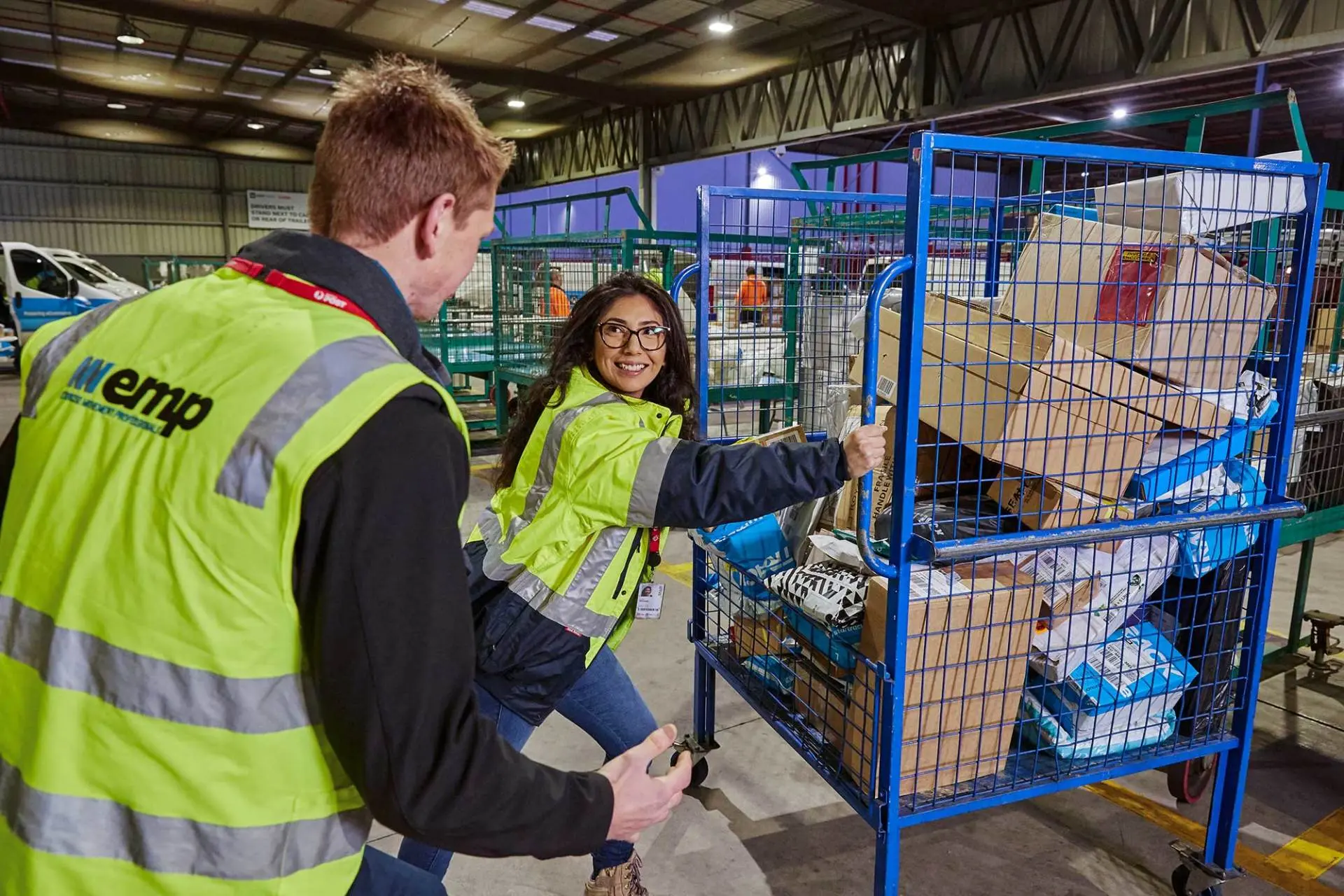

Transport & Logistics
StarTrack: Onsite Physiotherapy & Injury Prevention
Combining onsite physiotherapy with structured preventative coaching and data-led analytics to achieve industry-leading safety results.
- Reduction in injuries
- 36%
- Return on investment
- 3.5:1
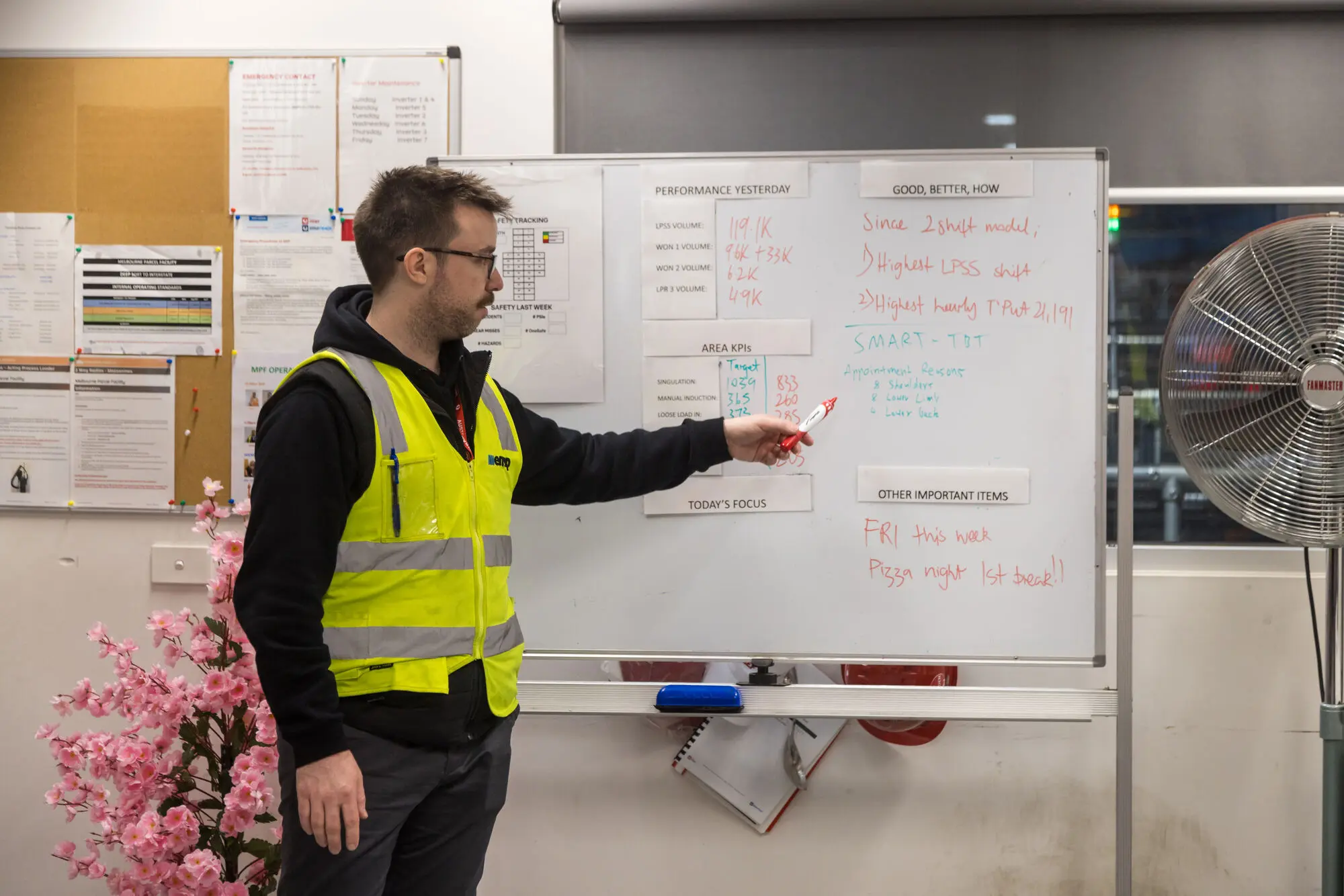

Emergency Services
St John Ambulance: Transforming Safety Through Leadership
A leadership-led coaching program reduced task risk and injury prevalence for emergency workers.
- Average reduction in task risk
- 46%
- Reduction in recorded injuries
- 25%
No-risk 90-day pilot
Leave with a clear plan to reduce risk—or get your money back.
Ready to Transform Your Workplace Safety?
Start with a no-risk 90-day pilot. We'll tailor a program to your workplace, agree success measures up front, and show you how to reduce risk, lower claims costs, and build a stronger, safer workforce.
Frequently Asked Questions
Which roles should we prioritise for a Job Task Analysis?
Start with the roles that have the greatest impact on safety, productivity, and employee wellbeing. Consider each role's risk level, its incident history, and its complexity, such as roles involving intricate tasks or specialised equipment.
How long does a Job Task Analysis typically take?
The duration varies based on the complexity of the job role and the extent of modifications required. Generally, the process is efficient and designed to minimise disruption to daily operations.
Is the use of wearable technology intrusive for employees?
No. The wearable technology is designed to be non-intrusive, allowing employees to carry out their tasks seamlessly while providing valuable data for safety assessments.
How frequently should a Job Task Analysis be conducted?
The frequency depends on the nature of the job roles and any significant changes in processes or equipment. Regular reviews, especially after modifications, are recommended to ensure ongoing safety.
Related Services
Explore complementary programs from our Work Design & Safety range.

Ergonomics
Workplace design and optimisation services
- Workstation strain
- Repetitive tasks
- Discomfort
Job Dictionaries
Comprehensive physical demands documentation
- Role mismatch
- Return to work
- WHS compliance
Pre-Employment
Functional capacity assessments for new hires
- Role fit
- New-starter injuries
- Turnover