Local Government
Redland City Council: Integrated Injury Prevention
A data-driven injury prevention and early intervention program helping a diverse council workforce move from reactive injury management to prevention-led safety.
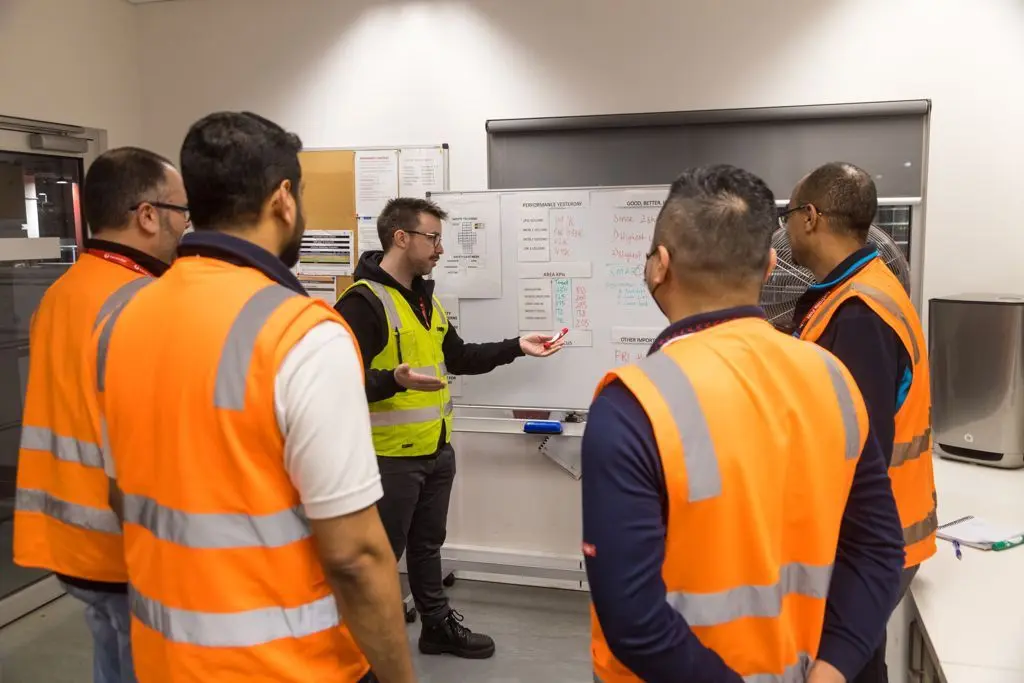
- Client
- Redland City Council
- Sector
- Local Government
- Location
- Queensland, Australia
- Program
- Injury Prevention & Early Intervention
Redland City Council needed a scalable, proactive approach to workforce health, safety and injury management across community services, infrastructure and operational environments.
With a workforce of around a thousand people spanning field crews, compliance officers, community-facing teams and office-based staff, the council's risk profile varied widely from role to role.
EMP Onsite was engaged to deliver a data-driven injury prevention and early intervention program, integrating onsite services, functional assessments and advanced risk visibility.
The Challenge
Four connected problems stood between the council and a proactive safety model.
Manual handling & musculoskeletal risk
High exposure to manual handling and musculoskeletal risk across multiple departments.
Inconsistent early reporting
Delayed intervention caused by inconsistent early reporting of symptoms and incidents.
Limited risk visibility
Insufficient visibility of task-specific risk drivers, hindering preventive prioritisation.
Need for measurable outcomes
A requirement for measurable evidence across safety, engagement and operational outcomes.
Source: Safe Work Australia, Key Work Health and Safety Statistics Australia 2025.
View data table
| Industry | Serious claims per million hours worked |
|---|---|
| Agriculture, forestry & fishing | 10.0 |
| Public administration & safety | 9.6 |
| Manufacturing | 9.4 |
| Health care & social assistance | 9.4 |
| Construction | 9.3 |
| Transport, postal & warehousing | 9.0 |
| All industries average | 6.8 |
Source: Safe Work Australia, Key Work Health and Safety Statistics Australia 2025. Selected locations shown.
View data table
| Bodily location | Share of serious claims |
|---|---|
| Upper limbs | 33.2% |
| Lower limbs | 22.3% |
| Trunk (incl. back) | 20.2% |
| Head | 4% |
| Neck | 1.8% |
EMP Solution
An integrated program combining onsite care, objective assessment and real-time reporting.
Rather than adding another standalone service, EMP Onsite built a single program that connected early intervention, conditioning, assessment and data, so each part strengthened the others.
- Onsite early intervention and clinical support
- Structured engagement programs and workforce conditioning
- Functional capacity and strength assessments
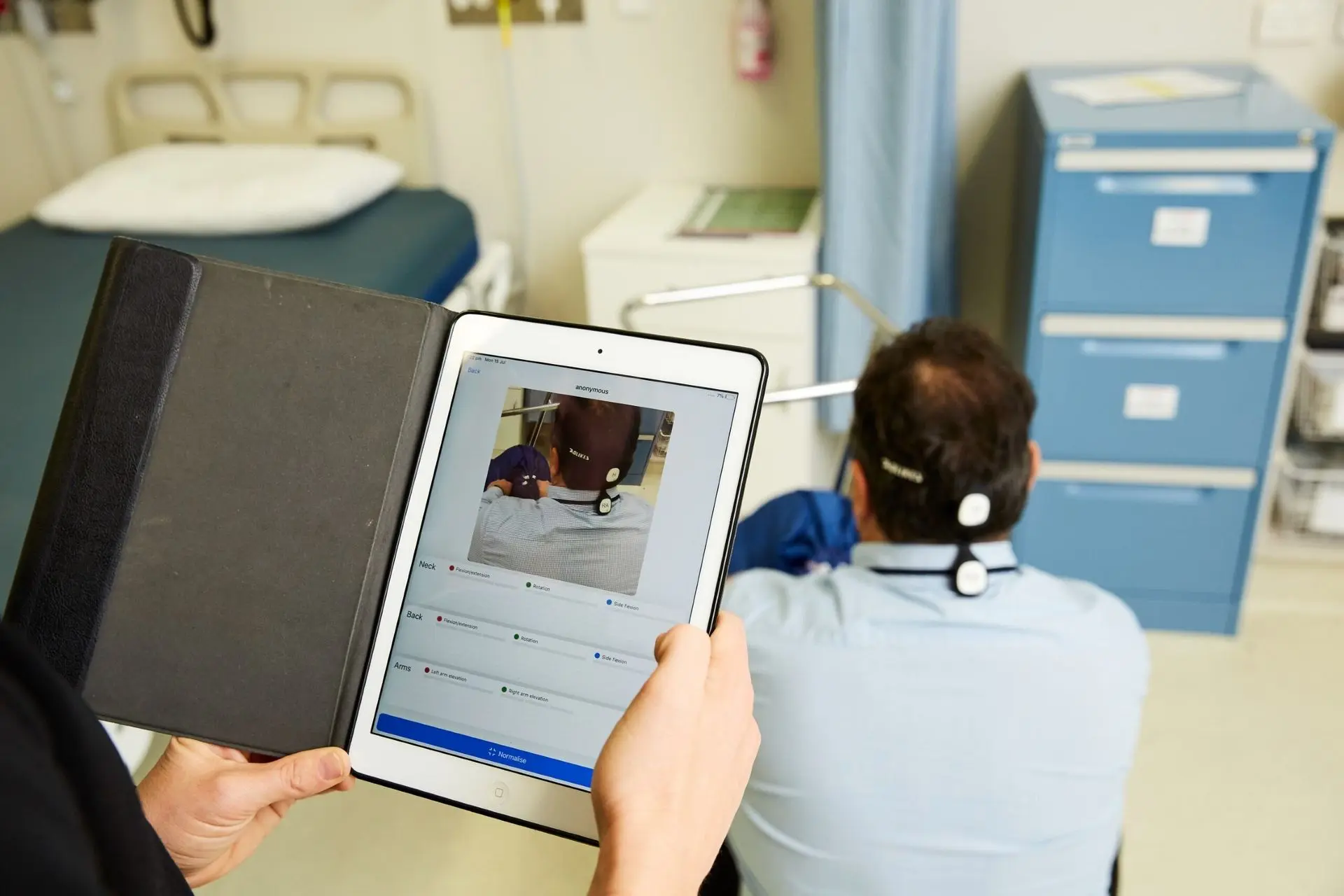
- Sensor-based task and movement analysis
- Targeted education and supervisor engagement
- Centralised reporting and performance dashboards
The Early Intervention Pathway
Simple access and onsite care meant issues were picked up early and managed close to work.
- Step 1
Self-referral
Simple access tools made it easy for workers to raise symptoms early, before they became injuries.
- Step 2
Onsite early intervention
Clinicians assessed and treated issues onsite, keeping workers engaged and at work wherever possible.
- Step 3
Functional assessment
Capacity and strength assessments matched worker capability to job demands.
- Step 4
Targeted conditioning
Structured conditioning rebuilt capacity and reduced the risk of recurrence.
- Step 5
Sustained capacity
Workers returned to full duties with fewer escalations to external medical pathways.
Key Insights
What the data revealed about the council's workforce.
Injury trends
Most presentations were linked to gradual onset conditions, reinforcing the importance of early detection, with a secondary contribution from acute incidents and task aggravations.
Primary risk areas
Upper limb and lower back exposures were the key drivers, with repetitive movement, manual handling and sustained postures as core risk factors.
Risk visibility
Observational and sensor data identified high-risk tasks, movement inefficiencies and role-specific exposure patterns.
Functional assessment outcomes
Worker capacity and risk profiles clearly improved after intervention, with better alignment between job demands and capability.
Engagement & delivery
Participation stayed consistent across early intervention, conditioning and assessment, driven by onsite access, trust and visible leadership support.
Broad workforce reach
Strong engagement across operational, compliance and community-facing teams, reaching diverse roles and risk profiles.
From Reactive to Prevention-Led
How the council's approach to injury risk changed through the program.
- ReportingBefore: Symptoms reported late and inconsistentlyWith EMP Onsite: Early self-referral through simple access tools
- Injury managementBefore: Issues progressed before care was accessedWith EMP Onsite: Most cases managed through onsite early intervention
- Risk visibilityBefore: Limited insight into task-specific risk driversWith EMP Onsite: Sensor and observational data by task and role
- Task allocationBefore: Decisions made without objective capacity dataWith EMP Onsite: Functional assessments align capability with job demands
- Decision-makingBefore: Reliant on lagging indicatorsWith EMP Onsite: Real-time dashboards guide priorities and resources
- Team alignmentBefore: Safety and operations working in parallelWith EMP Onsite: Stronger alignment between safety and operational teams
Outcomes
The majority of cases were successfully managed through early intervention and onsite support.
- Majority of cases successfully managed through early intervention and onsite support
- Increased participation in preventative programs
- Minimal escalation to external medical pathways
- Reduced injury severity and duration
- Improved reporting behaviours and early engagement
- Stronger alignment between safety and operational teams
Value & ROI
While outcomes vary across operational environments, the program delivered clear value in three key areas.
Reduced financial exposure
Early intervention limited injury progression into complex and costly claims, supporting better control of workers' compensation impacts and associated indirect costs.
Improved workforce productivity
Maintaining worker capacity before issues escalated reduced operational disruption, minimised downtime and supported continuity across critical services.
Better decisions through data
Real-time insights helped leadership prioritise high-risk areas, allocate resources effectively and shift from reactive responses to proactive risk management.
Conclusion
A transition from reactive injury management to proactive, prevention-led safety performance.
This program demonstrates how EMP Onsite's integrated onsite, data-driven and technology-enabled model supports councils with diverse, distributed workforces.
By combining early intervention, functional insight and real-time risk visibility, Redland City Council has strengthened both workforce wellbeing and operational outcomes.
Ready to Transform Your Workplace Safety?
Talk to our team about a program tailored to your workplace. We'll show you how to reduce risk, lower claims costs, and build a stronger, safer workforce.