Technology
Harnessing the Power of Wearables: Biometric Data for Injury Prevention & Early Injury Warning Signs
Learn how wearables and biometric data help Australian employers spot early injury warning signs and prevent workplace injuries before they occur.
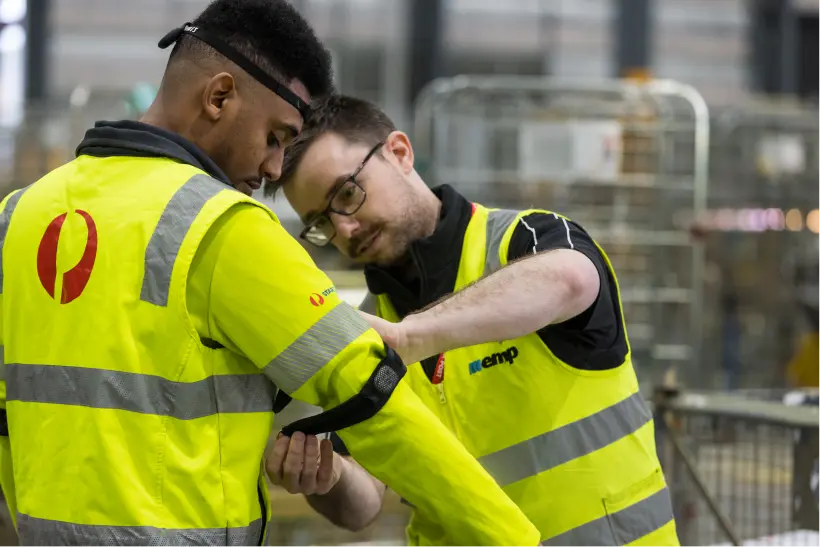
Workplace injuries represent a significant cost to businesses, impacting productivity, morale, employee satisfaction and the bottom line.
Traditional safety and injury management measures often focus on reactive responses to incidents, treating injuries after they occur. The lag data that accompanies these reactive responses should only be used to measure the end result, not to determine appropriate injury risk interventions.
By adopting wearables as part of a proactive approach, identifying and mitigating risks before injury, organisations can then use lead metrics to empower decision making. This is where the power of wearable technology and biometric data shines. Wearable devices, capable of continuously monitoring physiological and biomechanical data, offer a revolutionary opportunity to pick up early warning signs and even symptoms, allowing for timely interventions and a dramatic reduction in workplace injury and improved health outcomes.
The Promise of Biometric Data
Wearable technology offers a wealth of biometric data that can be incredibly insightful in injury prevention and health and wellbeing programs. These devices are capable of tracking various physiological and biomechanical parameters, including:
- Heart Rate Variability (HRV): HRV reflects the variation in time between consecutive heartbeats. Changes in HRV can be indicative of stress, fatigue, and other factors that increase the risk of injury. Consistent monitoring can reveal patterns suggesting an employee is pushing their limits, even before they are consciously aware of it. Think of the Whoop strap, the Aura ring, these devices are readily available, relatively affordable (around $200) and can be cleaned and shared to multiple staff building a profile of health and injury risk.
- Heart Rate (HR): Sustained elevated heart rates can signify physical exertion exceeding safe limits, potentially leading to musculoskeletal injuries (MSIs) or other health issues. Monitoring HR allows for identification of employees at high risk of strain or fatigue-related injuries.
- Movement and manual handling risk: Wearables equipped with accelerometers and gyroscopes can track the intensity, range and frequency of movements. Abnormal or repetitive movements can be indicative of poor posture, awkward lifting techniques, or other risk factors associated with MSDs (musculo-skeletal disorders). By implementing wearable tech, organisations can uncover key drivers of manual handling risk, establish risk benchmarks and monitor emerging trends before something goes wrong.
- Sleep Quality: Sleep deprivation significantly impairs cognitive function, reaction time, and overall physical performance, dramatically increasing the likelihood of accidents and injuries. Wearable devices providing sleep data offer insights into 'who' may be at risk due to insufficient rest, enabling proactive interventions including modified work schedules, improved sleep hygiene or even referral to a sleep specialist.
- Body Temperature: Elevated body temperature could be a sign of heat stress, particularly in environments with high temperatures or strenuous physical activities. Wearable monitoring systems can alert supervisors to employees at risk of heat-related illnesses and adopt early intervention strategies including longer break times, use of cooling vests, shortened shift duration and optimal hydration schedules.
- Activity Levels: A sudden drop in activity levels, beyond what would be expected during normal work breaks or absences, could be a subtle indication of an underlying injury or illness. These changes can be an early warning sign requiring further investigation.
How Do I Implement Wearable Technology Successfully?
Implementing a wearable technology system or program requires careful planning and consideration. The following points are critical to success:
- Employee Buy-in: Crucially, securing employee consent and buy-in is paramount. Transparency regarding data privacy and usage is essential to build trust and ensure participation. Clearly outlining the benefits of the program for the individual worker and the business, and addressing any concerns is essential.
- Data Privacy and Security: Strict adherence to local and industry data privacy regulations is crucial. Implementing robust security measures to protect sensitive employee data is also mandatory. Data should be anonymised where possible and only accessed by authorised personnel. Using data in a supportive way, more carrot, less stick, builds trust and improves outcomes.
- Data Analysis and Interpretation: The sheer volume of data generated by wearable devices requires sophisticated analytical tools. The ability to identify meaningful patterns and actionable insights is critical. This often necessitates investing in software that can process the data effectively and present it in a user-friendly format. We have built custom dashboards and draw regular insights for clients to maximise return on wearable investment. I encourage adding this to your budget if you are considering adoption of wearables for your organisation.
- Integration with Existing Safety Systems: Seamless integration with existing workplace safety management systems is crucial for effective utilisation of the data. This may involve customising existing software or integrating the wearable data into established risk management protocols or again, developing upgraded dashboards or reporting formats.
- Intervention Strategies: Once risks are identified, the system must be linked to appropriate intervention strategies. This could range from providing basic training, support information and resources, ergonomic advice, adjusting work schedules, recommending physiotherapy or exercise physiology services, implementing new equipment or aids or targeted safety training.
The Benefits Extend Beyond Injury Prevention
The benefits of implementing a wearable-based biometric monitoring system extend far beyond simply reducing injuries. Data collected can provide valuable insights into employee wellbeing, allowing for the creation of more effective wellness programs, and the potential for improved productivity and workforce engagement. The ability to proactively address issues related to stress, fatigue, and poor physical health creates a more supportive and positive work environment.
EMP Onsite deliver wearable tech programs across Australia, New Zealand and beyond. If you want support in this area and want to realise some of the benefits listed above, please contact us.
- Prioritise Physical and Mental Health: Offer health and wellness programs, including ergonomic assessments, health screenings, pro-active risk assessments, and access to mental health resources. EMP Onsite offer health coaching and injury prevention services that engage workers and make them feel valued and cared for. Combined with bespoke health and safety programs, these workers become more productive, happier and healthier, positively impacting the company bottom line!
Measuring Success and Continuous Improvement
The effectiveness of these strategies should be regularly measured through key performance indicators (KPIs) such as employee satisfaction scores, retention rates, absenteeism rates, and productivity levels. Regularly review these metrics to identify areas for improvement and adapt your approach as needed. Employee feedback is also crucial for ongoing refinement.
Building a resilient workforce is an ongoing process that requires commitment, investment, and a genuine dedication to employee wellbeing. By prioritising these strategies, businesses can create a workplace that fosters resilience, leading to improved employee wellbeing, higher retention rates, and a more productive and successful organisation.