Psychosocial Hazards in the Workplace: Understanding the Risks and Taking a Proactive Approach
The 14 common psychosocial hazards, how time pressure leads to physical injuries, what employers must do and five practical ways to manage the risks.

Brad Hutchinson
VIC and TAS State Manager, Exercise Physiologist
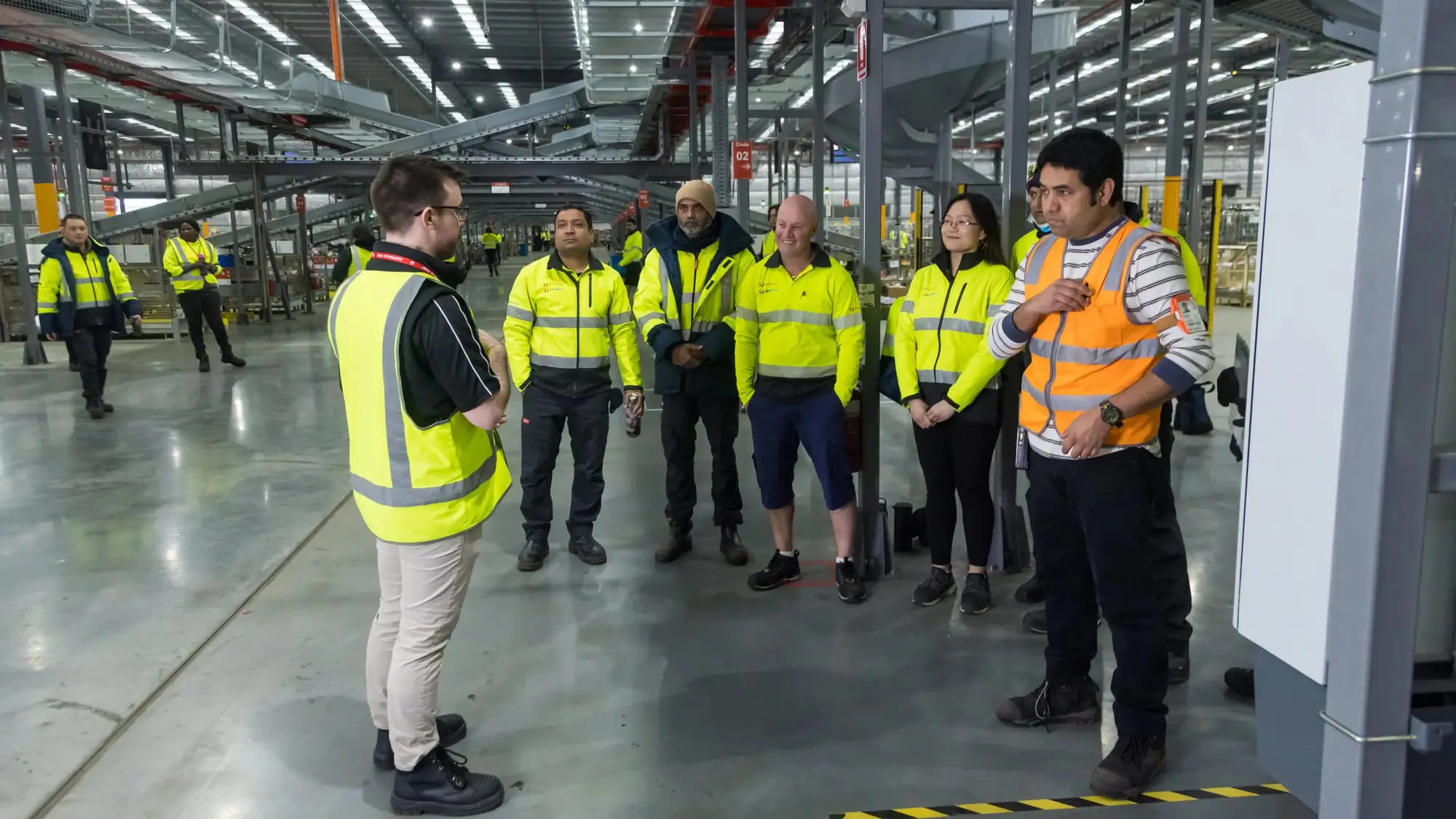
Work health and safety (WHS) has traditionally focused on physical hazards such as manual handling, slips, trips and falls, and unsafe working environments. However, the way work is organised, managed and communicated can be just as important when it comes to preventing injuries.
Psychosocial hazards can exist across any workplace, whether that be in transport, logistics, warehousing, local government or an office environment.
From my experience working across various industries, one of the challenges is recognising that psychosocial and physical hazards are not always separate. In many situations, they can directly influence one another.
Understanding this connection, and more importantly, listening to the workers exposed to these risks every day, is an important part of creating a safer workplace.
What are psychosocial hazards?
Psychosocial hazards are aspects of work design, management, the working environment or workplace interactions that have the potential to cause psychological or physical harm.
These can include excessive workloads, unrealistic expectations, limited job control, inadequate supervisor support, bullying and exposure to traumatic events.
It is also important to understand the difference between a hazard and a risk. A psychosocial hazard is something within the workplace that has the potential to cause harm, while the psychosocial risk relates to the likelihood and severity of that harm occurring.
For example, a worker who feels pressured to complete tasks quickly to meet productivity targets may be exposed to high job demands. When this is combined with limited control over their work and insufficient support, the risk of harm may increase.
One thing I have noticed is that workers can sometimes develop the belief that working faster, even if it means overlooking safe work practices, is a way of demonstrating that they are a good employee. This can occur even when the organisation has clearly communicated that safety is a priority.
It highlights the importance of not only communicating safety expectations but also understanding how those expectations are being interpreted by workers.
14 common psychosocial hazards
Safe Work Australia's model Code of Practice: Managing psychosocial hazards at work identifies 14 common psychosocial hazards that employers should consider when assessing their workplace.
Psychosocial hazards by industry
Every workplace should check for all 14. Pick an industry to see where the risks usually sit.
Job demands
Excessive workloads, unrealistic targets, long working hours or inadequate recovery opportunities.
Low job control
Limited influence over work pace, tasks, schedules or decisions.
Poor support
Inadequate training, resources, assistance or supervisor support.
Lack of role clarity
Unclear responsibilities, expectations or reporting structures.
Poor organisational change management
Workplace changes introduced without sufficient communication or consultation.
Inadequate reward and recognition
Limited acknowledgement of worker efforts or achievements.
Poor organisational justice
Unfair or inconsistent workplace decisions and processes.
Traumatic events or material
Exposure to serious incidents, injuries or distressing situations.
Remote or isolated work
Working alone or without appropriate access to assistance.
Poor physical environment
Excessive noise, heat, unsuitable equipment or unsafe working conditions.
Violence and aggression
Threatening, abusive or aggressive behaviour.
Bullying
Repeated unreasonable behaviour that creates a risk to health and safety.
Harassment, including sexual harassment
Unwelcome or inappropriate workplace conduct.
Conflict or poor workplace relationships
Ongoing disputes, poor communication or negative workplace interactions.
These hazards do not always occur independently. Understanding how different factors interact is important when determining the overall risk to workers. To rate each hazard for a team or role, use our free psychosocial risk assessment tool.
Why psychosocial hazards deserve greater attention
The impact of psychosocial hazards extends beyond employee wellbeing and can have significant consequences for organisations.
According to Safe Work Australia's Key Work Health and Safety Statistics Australia 2026, mental health conditions accounted for 12.2% of serious Workers' Compensation claims during 2024–25. In 2023–24, the latest year with finalised figures, these claims had a median of 34.8 working weeks lost and $68,600 in compensation paid. That's more than four times the median time lost across all serious claims (8.2 weeks).
Median working weeks lost per serious claim, for the four mechanisms behind most claims.
Source: Safe Work Australia, Key Work Health and Safety Statistics Australia 2026. Claim counts are for 2024–25 (preliminary); medians are for 2023–24.
View data table
| Mechanism | Serious claims | Share of claims | Median weeks lost | Median compensation |
|---|---|---|---|---|
| Mental stress | 17,000 | 11.5% | 35.0 | $69,400 |
| Body stressing | 51,800 | 35.2% | 9.5 | $21,200 |
| Falls, trips and slips | 32,700 | 22.2% | 8.8 | $19,100 |
| Being hit by moving objects | 23,800 | 16.2% | 5.3 | $13,500 |
The figures highlight the importance of addressing psychosocial risks before they develop into more serious workplace injuries. Work pressure alone caused 4,500 serious mental stress claims in 2024–25, about one in four.
Share of serious mental stress claims by cause, 2024–25.
Source: Safe Work Australia, Key Work Health and Safety Statistics Australia 2026 (preliminary data). Other causes are the remainder.
View data table
| Cause | Serious claims | Share of mental stress claims |
|---|---|---|
| Work-related harassment or workplace bullying | 5,400 | 31.6% |
| Work pressure | 4,500 | 26.5% |
| Exposure to violence and harassment | 3,000 | 17.7% |
| Other causes | About 4,100 | 24.2% |
However, incident numbers alone do not always tell the full story.
In workplaces, it is important to consider not just how frequently injuries occur, but also the severity of those injuries, the duration of recovery and any underlying workplace factors contributing to them. A relatively small number of incidents can still have a substantial impact on workers and organisations.
How psychosocial hazards can influence physical injuries
One area I believe deserves greater attention is the relationship between psychosocial hazards and physical injury risk.
Across transport, logistics and warehousing environments, workers are often required to balance productivity expectations with safe work practices.
A common behaviour I have observed is workers taking shortcuts to save a few seconds when completing a task. This is not always because the worker does not understand safe work practices or deliberately wants to disregard safety. In some cases, workers believe completing their tasks faster will help them meet targets or demonstrate their value to supervisors.
A practical example is truck and van drivers who are regularly entering and exiting their vehicles throughout the day. When workers feel pressured to complete their tasks quickly, they may begin rushing these movements rather than taking the time to follow safe entry and exit procedures. This can increase exposure to slips, trips and falls.
Psychosocial hazard
Time pressure
High job demands, limited control over the run and little support from supervisors.
Behaviour
Rushing and shortcuts
Jumping down from the cab instead of using three points of contact, to save a few seconds.
Physical hazard
More exposure to falls
Every rushed entry and exit raises the chance of a slip, trip or fall.
Outcome
Injury and a claim
A serious fall claim costs a median of 8.8 working weeks lost.
While the immediate physical hazard may be related to how the worker enters or exits the vehicle, the underlying behaviour may be influenced by perceived productivity expectations or time pressure. If we only address the physical movement without understanding why the worker is rushing, we may miss an important contributing factor.
The seconds saved are also smaller than they feel on a busy run. Try your own numbers below.
It would take 22 years of rushing to save the working time lost to one typical serious fall claim.
- Saved per shift
- 4 min
- Saved per year
- 15.3 hours
- Lost to one median fall claim
- 334.4 hours
- Median compensation paid
- $19,100
Illustrative only. Uses Safe Work Australia's median for serious claims from falls, trips and slips in 2023–24 (8.8 working weeks lost) and a 38-hour week. It compares time, not the chance of a fall.
This is why physical task assessments should consider more than the movement itself. We should also be asking:
- Does the worker feel pressured to complete the task quickly?
- Do productivity expectations allow sufficient time to follow safe work practices?
- Does the worker understand why the recommended technique is important?
- Are supervisors reinforcing safe behaviours alongside performance expectations?
- Do workers feel comfortable raising concerns about how the work is performed?
By understanding these factors, organisations can develop more practical and sustainable injury prevention strategies.
Psychosocial hazards across different industries
Although psychosocial hazards are relevant to all workplaces, the risks can look different depending on the industry.
- Transport, logistics and warehousing. High job demands, productivity pressures, fatigue, limited job control and isolated work can all contribute to psychosocial risks. These factors may also influence workers' decisions when completing physically demanding or repetitive tasks.
- Local government. Workers may be exposed to public aggression, challenging interactions, isolated working environments and traumatic incidents.
- Aged care and disability services. High emotional demands, challenging behaviours, inadequate staffing and limited supervisor support may contribute to psychosocial risks.
- Office and professional environments. Excessive workloads, unclear responsibilities, workplace conflict and organisational change can create additional pressures.
This is why organisations need to understand their own working environments rather than relying solely on a generic hazard checklist.
What are employers required to do?
Australian employers have legal obligations to identify and manage psychosocial risks under their applicable WHS legislation.
In Victoria, the Occupational Health and Safety Amendment (Psychological Health) Regulations 2025 came into effect on 1 December 2025. These regulations introduced specific requirements for employers to identify psychosocial hazards, eliminate or reduce associated risks so far as reasonably practicable, and review risk controls in prescribed circumstances. WorkSafe Victoria has current guidance.
Other Australian jurisdictions operate under their respective WHS legislation and regulations. Regardless of the jurisdiction, the underlying principle remains the same: employers must take appropriate steps to manage risks to both psychological and physical health.
Importantly, psychosocial risk management should not be viewed as simply completing an assessment and filing it away. It requires ongoing worker consultation, practical control measures and a commitment to reviewing whether those measures are effective.
Taking a proactive approach to psychosocial risk management
From my experience, one of the most valuable ways to identify potential workplace risks is through conversations with the people who are actually completing the work.
While injury data, reporting systems and discussions with site safety teams provide valuable information, they do not always explain the full picture. A worker may be following an unsafe practice for reasons that are not immediately obvious to a manager or safety representative. Understanding those reasons is important before determining how to address the behaviour.
1. Listen to workers and follow through on concerns
One issue I believe workplaces can sometimes overlook is assuming that workers are being deliberately difficult or simply do not care about safety. When a worker repeatedly takes shortcuts, it can be easy to focus on the behaviour itself without understanding what is driving it.
Are they experiencing time pressure? Do they believe productivity is valued more highly than following safe work procedures? Have they previously raised a concern that was never addressed? These are important questions to ask.
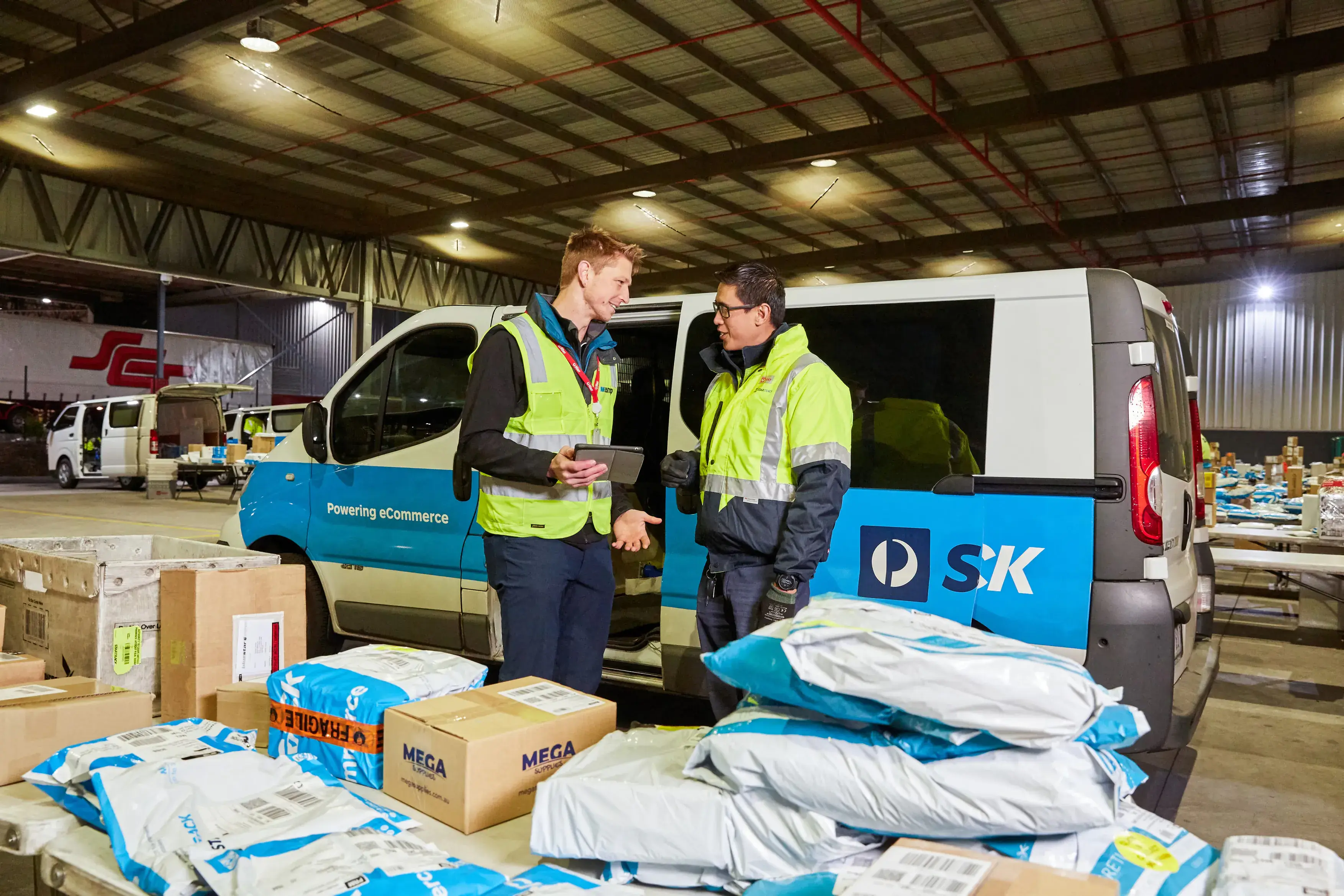
When workers raise reasonable safety concerns, there needs to be a process for acknowledging, investigating and responding to those concerns. Not every issue can be resolved immediately, and not every suggestion will be practical to implement. However, workers should still receive an explanation of what has been considered and what actions will be taken.
When concerns are repeatedly raised without any visible action or feedback, workers may begin to lose confidence in the organisation's commitment to change. Over time, this can discourage workers from raising the very issues that could help prevent future injuries.
Building a strong safety culture involves more than encouraging workers to speak up. It also requires demonstrating that their feedback is being taken seriously.
2. Use education to explain the what, why and how
Education is another important component of effective workplace injury prevention. I believe that simply telling workers what they should or should not do is not always enough.
Taking the time to explain what the recommended practice is, why it is important and how it can be applied in their day-to-day work can make a significant difference to worker understanding and engagement.
Live demonstrations are particularly valuable in physically demanding workplaces, where workers can see how recommended practices apply to the tasks they perform. Providing opportunities for both group discussions and one-on-one conversations also allows workers to ask questions, share their experiences and raise potential barriers.
This approach helps move safety education away from simply instructing workers and towards creating a better understanding of how safe work practices can be implemented.
Importantly, education should be supported by appropriate work design and practical controls. Workers need both the knowledge and the opportunity to perform their tasks safely.
3. Make safety conversations part of normal operations
Workplace safety should not only become a priority following an injury or incident.
Regular weekly, fortnightly or monthly safety catch-ups can provide opportunities to discuss emerging hazards, review initiatives and share feedback. These sessions can also help reinforce the importance of safe work practices and provide workers with opportunities to contribute to improvements.
Involving both workers and supervisors is particularly valuable, as it encourages a shared understanding of workplace challenges and expectations. Over time, these conversations can help promote a more proactive safety culture where identifying risks and discussing improvements becomes part of everyday operations.
4. Use workplace data to identify trends
Injury data and workplace reporting provide another important opportunity to identify potential risks.
Reviewing injury trends, recurring incidents, absenteeism, Workers' Compensation data and reported concerns can help organisations understand where further investigation may be required. However, data should be considered alongside worker feedback and workplace observations.
For example, if an organisation identifies recurring slips, trips and falls involving vehicle entry and exit, it is important to assess both the physical task and any workplace pressures influencing how the task is performed.
This helps organisations move beyond responding to individual incidents and towards understanding potential contributing factors.
5. Consider specialist onsite injury prevention support
Having experienced injury prevention professionals regularly engaging with workers and site safety teams can provide additional value.
An onsite workplace injury prevention and management specialist, such as EMP Onsite, can work alongside existing safety teams to observe workplace practices, identify emerging risks, provide education and support the implementation of practical improvements.
This ongoing presence also creates opportunities to build relationships with workers and supervisors. When workers feel comfortable discussing their concerns, it becomes easier to understand the challenges they experience and identify opportunities for improvement.
These services should complement an organisation's formal psychosocial risk management processes and the involvement of appropriately qualified professionals.
Why psychosocial and physical risk management should work together
Psychosocial and physical risks are often assessed separately, but there are clear benefits to understanding how they interact.
A manual handling assessment may identify a physically demanding task, while a psychosocial risk assessment may identify excessive job demands or limited worker control. Considering both factors together can provide a more complete understanding of why a worker may be exposed to injury.
For example, improvements to workload planning and task allocation may help address time pressure while also allowing workers to perform physical tasks more safely. Similarly, improving supervisor engagement and communication can create opportunities for workers to report early symptoms, unsafe practices or emerging hazards.
The aim should be to identify risks early and implement meaningful changes before they lead to injuries. This requires a combination of effective work design, worker consultation, education, management support and ongoing review.
Frequently asked questions
Are psychosocial hazards only related to mental health?
No. Psychosocial hazards can contribute to both psychological and physical harm. For example, excessive job demands and time pressure may influence how workers perform manual handling tasks and increase their exposure to physical injury risks.
Is managing psychosocial hazards a legal requirement?
Yes. Australian employers have obligations under their applicable work health and safety legislation to manage psychosocial risks.
How can employers identify psychosocial hazards?
Employers can use worker consultation, workplace surveys, incident and injury data, observations, supervisor discussions and other relevant operational information.
Is providing mental health support enough to manage psychosocial risks?
No. While support services and wellbeing initiatives can be valuable, they do not replace the need to identify and control hazards arising from how work is designed, managed or performed.
How EMP can help
At EMP, we understand that effective workplace injury prevention involves more than addressing individual worker behaviours. It requires understanding the physical demands of work, the working environment and the factors that influence how tasks are performed.
Our Psychosocial Risk Audit supports organisations in identifying psychosocial hazards, assessing associated risks and developing practical recommendations to improve workplace health and safety.
Combined with our experience in physical task assessments, onsite injury prevention and worker engagement, this provides an opportunity to better understand where physical and psychosocial risks overlap. At CPB Contractors in Tasmania, training frontline leaders to recognise psychosocial and physical hazards together lifted hazard reporting by 26% and cut absenteeism by 18% (read the case study).
Our onsite approach also supports regular interaction with workers, supervisors and site safety teams to identify emerging concerns and reinforce practical injury prevention strategies.
Ultimately, creating a safer workplace starts with understanding the challenges workers experience and taking meaningful action to address them. Prevention starts with listening to workers, understanding why unsafe behaviours occur and creating working environments where safety is genuinely supported.
Talk to our team about a Psychosocial Risk Audit and onsite injury prevention for your sites.