Injury Prevention
National Safe Work Month 2026: practical ideas for Australian employers
Practical Safe Work Month 2026 ideas for Australian employers, with activities by industry, a one-week plan and ways to keep going after October.
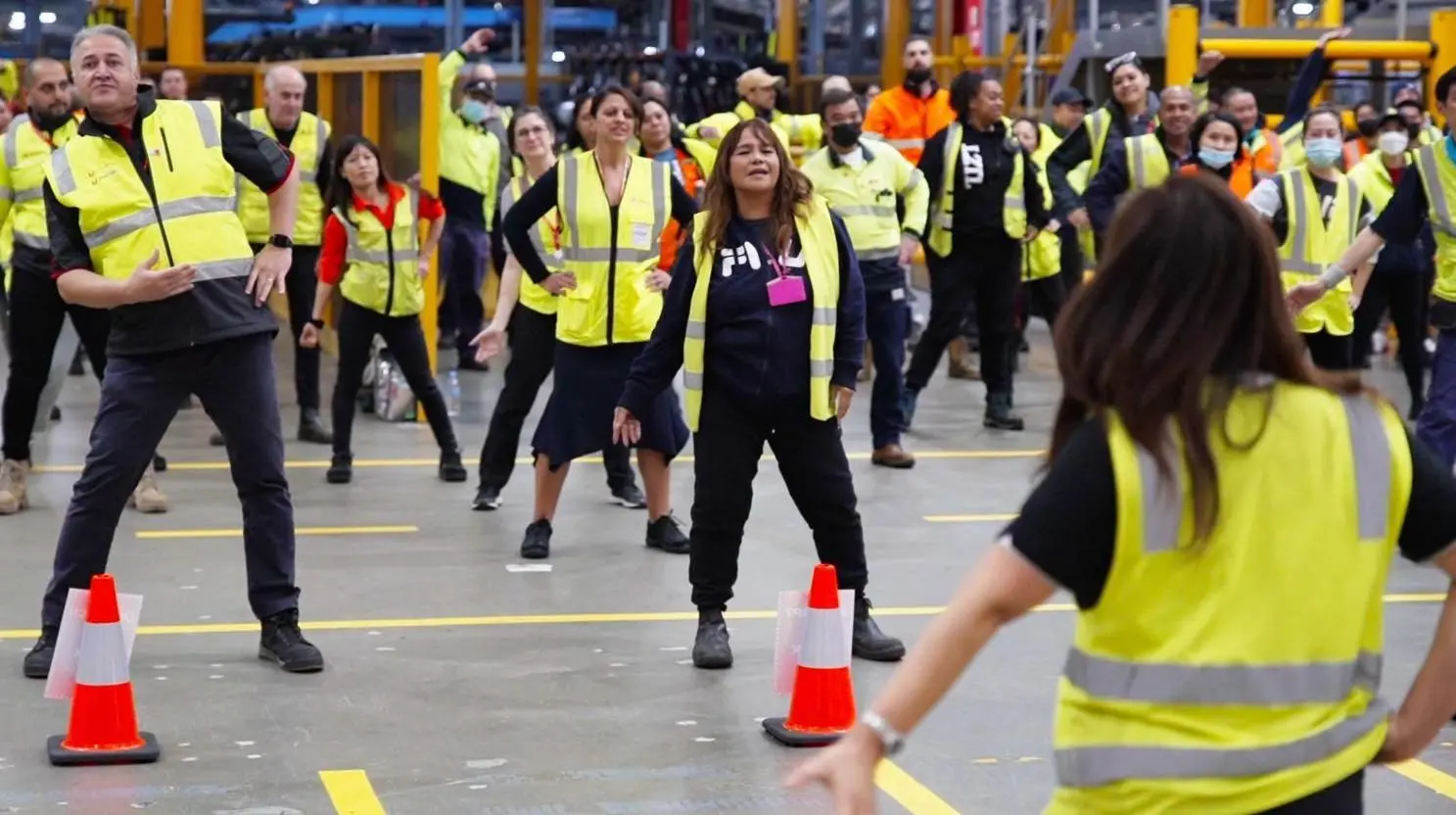
National Safe Work Month runs every October. It is Safe Work Australia's yearly campaign to get workplaces talking about, and acting on, work health and safety (WHS). The 2026 theme is "Safe work is for life", which looks past preventing harm on the day to protecting workers' health over a whole career.
There are 10 days of October left. This post gives you activities you can run before the month ends, sorted by theme and by industry, plus a plan for the final week and a way to keep the work going in November. Most of them need nothing more than a team leader and half an hour.
Why Safe Work Month matters this year
Safe Work Australia's Key Work Health and Safety Statistics Australia 2025 counted 146,700 serious Workers' Compensation claims in 2023–24. A serious claim involves at least one week off work.
Mental health conditions made up 12% of those claims, up 161% over 10 years. They also involve almost five times more time off work than other claims, which makes them the most expensive claims most employers will see.
The law has moved with the data. Since 1 December 2025, Victoria's Occupational Health and Safety (Psychological Health) Regulations have required employers to identify psychosocial hazards and control them the same way they control physical ones. Psychosocial risk means risks to mental health from how work is designed and managed, such as high workload, poor support or exposure to traumatic events. Most other jurisdictions already have similar duties under the model WHS Regulations.
Safe Work Month ideas you can run this October
Physical injury prevention
A toolbox talk on your riskiest manual task. Pick the task behind most of your strains and sprains, such as trailer unloading or top-shelf picking, and spend 15 minutes at the start of a shift asking the people who do it what makes it hard. A team leader can run it. Keep the talk about the task, not lifting technique: the Heads of Workplace Safety Authorities found in 2022 that "how to lift" training on its own does not work for managing hazardous manual tasks.
A task redesign walk-through. Walk the same task with a supervisor, a health and safety representative and two workers. Look for lifts you can remove or bring closer to waist height. Allow 45 minutes, and agree one change you can make before the end of the month.
Warm-up sessions at shift start. Run a 10-minute warm-up every day for a week, led by a team leader or a visiting physio. Use it to talk about early reporting. A sore shoulder mentioned on Tuesday costs far less than a claim lodged in December.
Ergonomic spot checks. Spend 10 minutes per workstation checking bench heights, reach distances and vehicle seating. A WHS adviser can check 10 to 15 stations in a morning. Log what you find so each fix has an owner, or bring in a clinician for a full ergonomic assessment of the stations that keep coming up.
Psychosocial risk and mental health
A short pulse survey. Ask five questions about workload, support from managers, role clarity and whether people feel safe raising problems. Keep it anonymous and under five minutes. HR can set it up in an afternoon, but share the results within two weeks or people won't answer the next one.
Manager check-ins. Ask each team leader to hold a 10-minute conversation with every direct report before the month ends, built around one question: what makes your work harder than it should be? HR can supply a one-page guide. The aim is to listen and record hazards, not to counsel.
A psychosocial hazard spot check. Pick one team and go through the common hazards with its manager, including high demands, low job control, poor support and conflict. It takes about an hour. Record what you find in your risk register as you would a physical hazard. If the list is long, a structured psychosocial risk assessment will show you which hazards to deal with first.
Promote your support services. Remind people what is available, such as your Employee Assistance Program (EAP) and peer supporters, and how to use them confidentially. Put the details in shift briefings and on the lunchroom wall. Whoever owns internal communications can do this in 10 minutes.
Leadership
A leader site walk. Have a senior leader spend an hour on the floor with a supervisor, asking workers what slows them down or puts them at risk. Close out at least one item and tell the team when it's done.
Recognise safety contributions. Thank people in team meetings for reporting hazards, near misses and early symptoms. Recognise reporting rather than injury-free days, so nobody feels pressure to stay quiet.
Safe Work Month ideas by industry
| Industry | Ideas to run this month |
|---|---|
| Transport, logistics, warehousing | Toolbox talk on trailer unloading or top-shelf picking. Check that heavy, fast-moving stock sits between knee and shoulder height. |
| Construction | Walk-through of the heaviest repeated lift on site, such as plasterboard or formwork. Review fatigue and rostering on long shifts. |
| Aged care | Check that transfer equipment is available on every shift. Manager check-ins on workload and exposure to aggression. |
| Local government | Ergonomic checks of outdoor crews' vehicles and hand tools. Psychosocial spot check for customer-facing teams who deal with abusive behaviour. |
| Emergency services, corrections | Promote peer support and trauma support services. Leader walk focused on how debriefs work after critical incidents. |
A one-week plan for the last week of Safe Work Month
- Monday: Senior leader briefing at shift start. Introduce the theme and ask workers to report hazards all week.
- Tuesday: Toolbox talk on your riskiest manual task.
- Wednesday: Send the pulse survey and start manager check-ins.
- Thursday: Task redesign walk-through and ergonomic spot checks.
- Friday: Leader site walk, then share what you heard and the first fixes with the whole site.
How to keep it going after October
A month of activity only matters if something changes in November.
Measure. Pick two numbers and track them monthly, such as early reports of strains and sprains against claims lodged, or pulse survey scores against psychosocial hazards closed out.
Embed. Turn the activities that worked into routine. A monthly toolbox talk, a quarterly task walk-through and psychosocial hazards in the same risk register as physical ones will do more than a bigger campaign next October.
Review. In January, check whether the fixes you agreed were made and whether your two numbers moved. Drop what didn't work.
If you want help beyond October, EMP Onsite runs injury prevention programs with physios working on your site, on your shifts. Our manual handling work starts with redesigning the task, which is what regulators recommend. At StarTrack, that approach cut injuries by 36% and returned 3.5:1.
Safe Work Month FAQs
When is National Safe Work Month?
National Safe Work Month runs every October. Safe Work Australia leads the campaign, and the state and territory regulators support it.
What is the 2026 Safe Work Month theme?
The 2026 theme is "Safe work is for life". It makes the point that work health and safety is about protecting workers' long-term health and future, not only preventing harm in the moment.
How can small teams take part in Safe Work Month?
Pick one activity and do it properly. A 15-minute toolbox talk or a leader walk around the site costs nothing. Safe Work Australia's free campaign kit has posters and activity sheets you can use as they are.
What are good Safe Work Month activities?
The best activities change how work is done, not just what people know. Task walk-throughs, ergonomic spot checks, psychosocial hazard spot checks and leader site walks all produce fixes you can act on.
Is Safe Work Month mandatory?
No. Taking part is voluntary. Your duties under WHS law apply all year, including the duty to manage psychosocial risks.
Start with your highest-risk task
Not sure which task to start with? Book a site assessment and one of our clinicians will walk your highest-risk tasks with you and leave you with a short list of fixes.