Justice & Corrections
NSW Justice: Building Workforce Health Through Physiotherapy
How a combined onsite physiotherapy and health coaching program helped custodial officers at NSW DCJ improve their cardiovascular health, physical function and wellbeing.
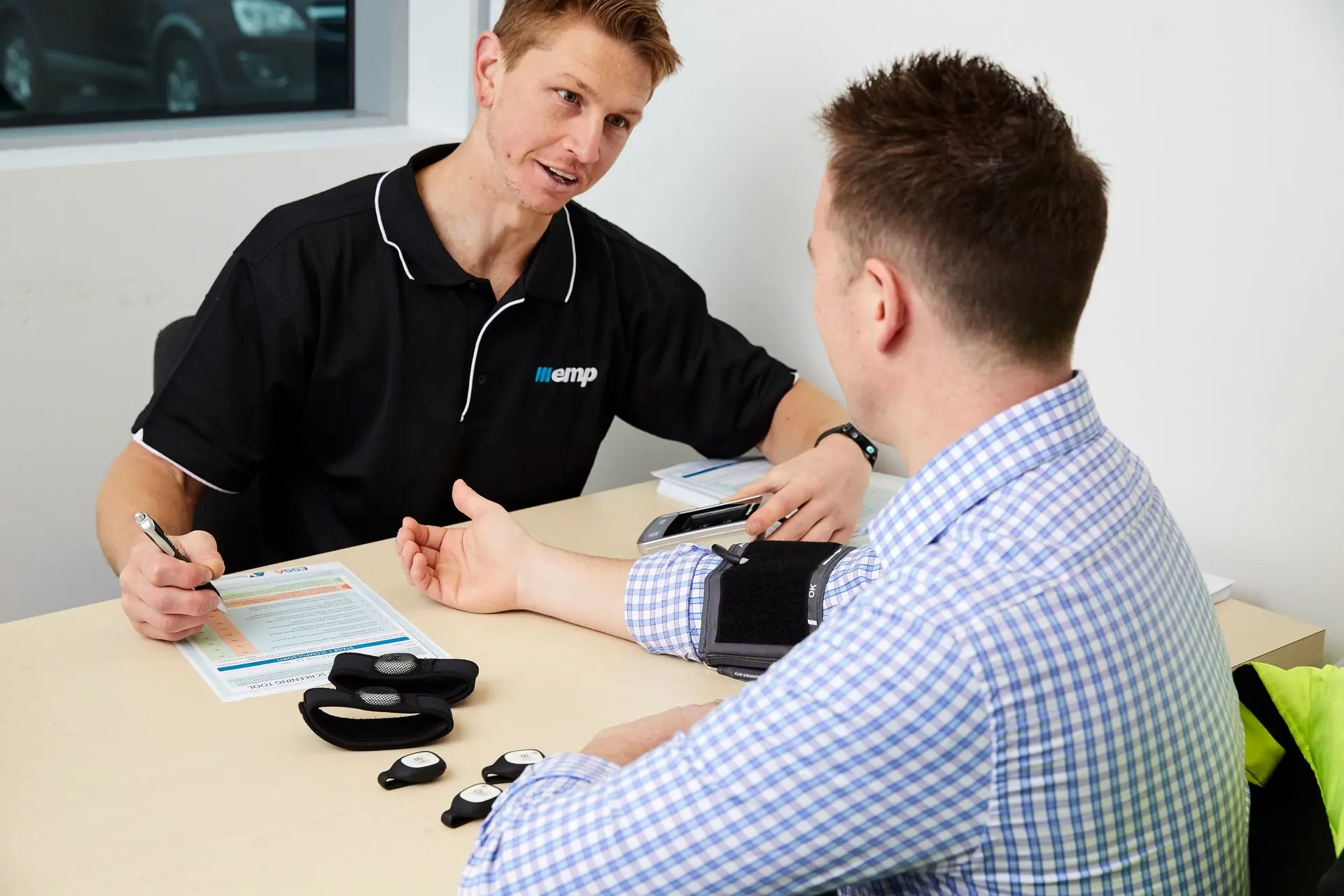
- Client
- NSW Department of Communities and Justice
- Sector
- Justice & Corrections
- Workforce
- Custodial officers
- Program
- My Health Coach
Results at a Glance
Outcomes measured across participating officers over the course of the program.
84%
Of DCJ's high-risk staff engaged in the program
21%
Improvement in cardiovascular fitness, strength and balance
10%
Reduction in overall health risk scores
9.0/10
Average coach rating from participants
The Challenge
Custodial work places sustained physical and psychological demands on officers.
Custodial officers at NSW DCJ are regularly exposed to high-pressure situations, occupational violence and physically demanding tasks, often across long rotating shifts. As a result, they face high rates of musculoskeletal injury, chronic stress and unhealthy lifestyle habits.
These factors contribute to absenteeism, lost time injuries and rising workers' compensation costs. Nationally, public administration and safety, the industry that includes corrections, records one of the highest serious claims frequency rates of any sector.
DCJ needed a program that would reach the officers most at risk, address physical and psychosocial health together, and fit around the realities of a correctional environment.
Source: Safe Work Australia, Key Work Health and Safety Statistics Australia 2025.
View data table
| Industry | Serious claims per million hours worked |
|---|---|
| Agriculture, forestry & fishing | 10.0 |
| Public administration & safety | 9.6 |
| Manufacturing | 9.4 |
| Health care & social assistance | 9.4 |
| Construction | 9.3 |
| Transport, postal & warehousing | 9.0 |
| All industries average | 6.8 |
Source: Safe Work Australia, Key Work Health and Safety Statistics Australia 2025.
View data table
| Mechanism of incident | Median weeks lost |
|---|---|
| Mental stress | 36.8 |
| Body stressing | 9.2 |
| Falls, trips & slips | 8.6 |
| Hit by moving objects | 5.2 |
EMP Onsite Solution: My Health Coach
An evidence-based program combining onsite physiotherapy and individual health coaching, tailored to DCJ's operational needs.
- Step 1
Health risk profiling
An organisation-wide assessment of general health, psychosocial and musculoskeletal risk.
- Step 2
Prioritise high-risk staff
Profile results identified and prioritised the officers most likely to benefit from support.
- Step 3
Onsite physiotherapy
Early intervention treatment, ergonomic task reviews and return-to-work coordination at correctional sites, guided by the Örebro screening tool.
- Step 4
My Health Coach
Parallel coaching sessions addressed cardiovascular health, strength and wellbeing to support fitness for duty.
- Step 5
Education & empowerment
Training on body mechanics, fatigue management and recovery strategies for shift work.
Officers were re-assessed against their baseline to track progress and keep coaching targeted.
The Results
Measurable gains in cardiovascular health, physical function and wellbeing.
Source: My Health Coach program data reported by EMP Onsite.
View data table
| Measure | Improvement |
|---|---|
| Cardiovascular fitness, strength & balance | 21% |
| Mood, sleep & life satisfaction | 15% |
| Overall health risk score (reduction) | 10% |
| Overall physical function | 8% |
Individual participant examples reported by EMP Onsite. Results vary between participants and are not program averages.
View data table
| Health marker | Before → after | Reduction |
|---|---|---|
| Alcohol intake | 42 → 14 standard drinks per week | 66.7% |
| Systolic blood pressure | 155 → 119 mmHg | 23.2% |
| Resting heart rate | 108 → 89 bpm | 17.6% |
| Waist circumference | 108 → 95 cm | 12.0% |
| Diastolic blood pressure | 100 → 94 mmHg | 6.0% |
“One of the best initiatives I've seen in 15 years.”
Officers Valued the Program
High satisfaction drove sustained engagement, which in turn drove results.
9.0/10
Average coach rating
9.0/10
Net Promoter Score rating
84%
Of high-risk staff engaged
15%
Improvement in mood, sleep and life satisfaction
Participants described the program as having “motivated me to choose a healthy lifestyle”, reflecting a shift from one-off advice to lasting behaviour change.
Physical and Psychological Health, Together
Treating the whole person delivers more than treating the injury.
Musculoskeletal pain, poor sleep, stress and lifestyle risk rarely appear in isolation. By pairing physiotherapists with health coaches, EMP Onsite could address an officer's sore back and the fatigue, stress and habits around it in the same program.
Using the Örebro Musculoskeletal Pain Screening Questionnaire helped physiotherapists identify officers at risk of long-term disability early, so treatment and coaching could be prioritised before problems became claims.
- Early identification of officers at risk of prolonged recovery
- Coaching that builds fitness for duty, not just symptom relief
- Support delivered onsite, around rosters and shift work
Key Takeaways
- Health risk profiling makes it possible to reach the officers who need support most.
- Combining physiotherapy and health coaching addresses the physical and psychosocial drivers of injury together.
- Measurable improvements in cardiovascular health, function and wellbeing support fitness for duty.
- High participant satisfaction sustains engagement in demanding, shift-based environments.
Ready to Transform Your Workplace Safety?
Talk to our team about a program tailored to your workplace. We'll show you how to reduce risk, lower claims costs, and build a stronger, safer workforce.